
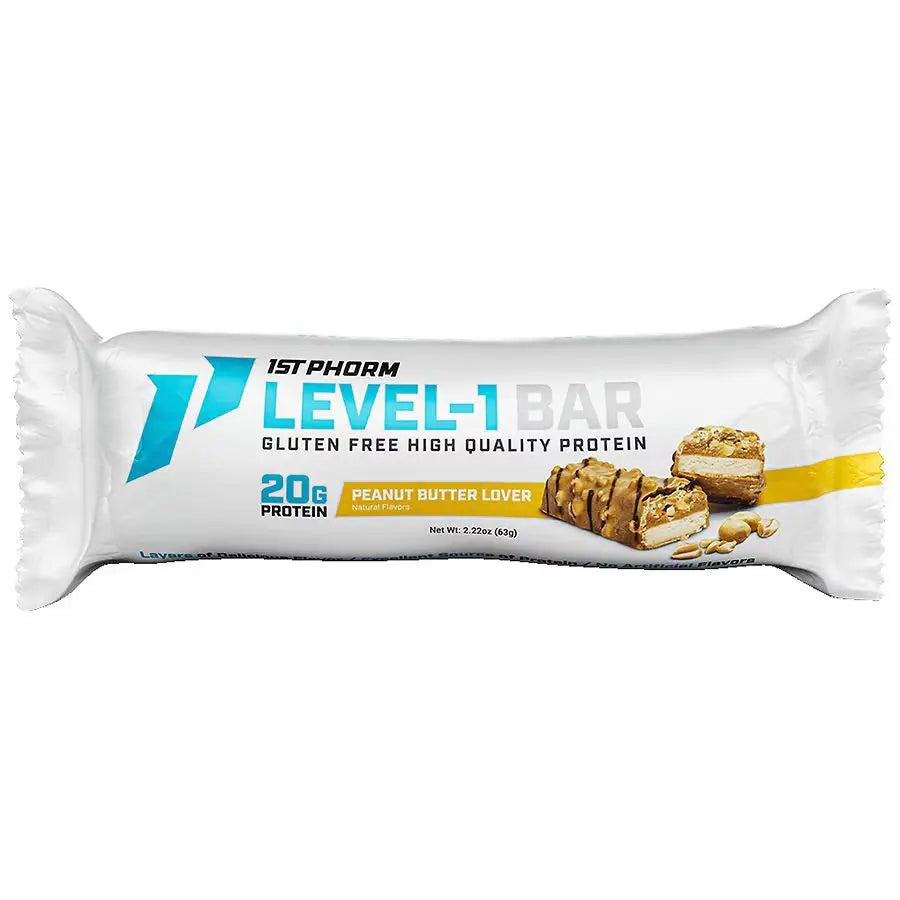
You finish a hard session, have 20 minutes before work, and the closest real meal is nowhere in sight. That is when the question hits: can protein replace meals without wrecking your progress? Sometimes, yes. But a scoop of whey in water is not automatically a meal, no matter how strong the flavor is or how high the protein count looks on the label.
For lifters, athletes, and anyone trying to stay locked in on body-composition goals, protein shakes are a serious convenience tool. They can save a missed feeding, help you reach daily protein, and keep drive-thru calories from taking over your plan. The key is knowing the difference between using protein strategically and treating every shake like a full replacement for food.
Can Protein Replace Meals? It Depends on the Shake
Protein powder is built to deliver protein efficiently. A basic shake may provide 20 to 30 grams of protein for relatively few calories, with minimal fat, carbohydrates, fiber, and micronutrients. That is excellent after training or between meals. It is not the same as a balanced lunch.
A true meal needs more than a protein number. It should provide enough total energy for your activity level, plus carbohydrates and fats that support training output, satiety, and daily function. It should also bring fiber and a range of vitamins and minerals that whole foods deliver more consistently.
So, can protein replace meals? A well-built protein shake can replace a meal occasionally. A plain protein shake is usually better viewed as a protein serving, not a complete meal. That distinction matters whether you are cutting, trying to add lean size, or simply trying to stop missing meals during a packed workday.
The goal is not to make food complicated. It is to make the shake do the job you are asking it to do.
When a Protein Shake Can Carry a Meal
A meal-replacement shake makes the most sense when convenience is the deciding factor. Maybe you train before sunrise, commute across Orlando traffic, work through lunch, or need something digestible before a long practice. In those situations, a shake built with real calorie and nutrient support can keep your nutrition plan moving instead of leaving you underfed until dinner.
It can also work well after training when you need protein quickly but do not have an appetite for solid food yet. For someone in a gaining phase, liquid calories can make it easier to hit a higher calorie target without forcing down another huge plate. For someone in a calorie deficit, a controlled shake can be a predictable option that helps prevent random snacking later.
What makes it meal-worthy is the build. Start with a quality protein source, then add a carbohydrate source, a source of healthy fats, and fiber or produce. For example, protein powder blended with milk or a dairy-free alternative, oats, fruit, and nut butter has a much different nutritional role than protein mixed with water.
You do not need to turn every shake into a kitchen project. A ready-to-drink protein beverage paired with fruit, Greek yogurt, oatmeal, or a handful of nuts can also cover more ground than the drink alone. The practical move is pairing, not perfection.
Build the Shake Around Your Goal
If fat loss is the mission, keep the shake satisfying without accidentally turning it into a 900-calorie dessert. A protein powder, fruit, ice, and a measured serving of oats or nut butter may be enough. Fiber-rich ingredients help here because a shake that leaves you starving 45 minutes later is not doing its job.
If muscle gain is the mission, you have more room to add calories. Milk, oats, banana, yogurt, and nut butter can turn a basic shake into a useful high-calorie feeding. This is especially valuable for hard gainers who have trouble eating enough across the day.
If performance is the priority, pay attention to timing. Before or after demanding training, carbohydrates may matter just as much as protein. A shake with protein and easy-to-digest carbs can be more useful than a low-calorie shake that checks the protein box but does little for recovery or your next session.
What Protein Shakes Still Miss
Even a well-designed shake should not push whole foods off the roster. Solid meals offer chewing, variety, texture, and a wider range of naturally occurring nutrients. They also tend to keep you full longer. That is not a minor detail when you are trying to manage hunger during a cut.
Meals built around foods such as eggs, meat, fish, beans, dairy, potatoes, rice, vegetables, fruit, and whole grains bring nutritional coverage that is difficult to duplicate with powder alone. Protein supplements are efficient, but efficiency is not the same thing as a complete diet.
There is also a behavior side to this. If every meal becomes liquid, it can become harder to recognize hunger, fullness, and the portions that actually support your goals. Some people do fine with one daily shake. Others find that frequent liquid meals make them hungry all day. Your appetite, schedule, calorie needs, and training volume all matter.
For most serious trainees, one protein-based meal replacement per day is a realistic tool. Two can work during unusually busy stretches, travel, or high-calorie phases. Replacing nearly every meal with shakes is usually a weak long-term play unless it is part of a plan made with a qualified medical professional.
Match Protein Intake to the Full Plan
A shake only helps if it supports your daily intake instead of becoming an excuse to ignore it. Many active people aiming to build or preserve muscle do well around 0.7 to 1 gram of protein per pound of body weight each day, though needs can vary based on body size, training, calorie intake, and individual tolerance.
Spread that protein across the day rather than trying to rescue a low-protein diet with three scoops before bed. Three to five protein feedings, each with a meaningful amount of protein, is often easier to execute and supports consistent recovery. Whole-food meals can handle much of that work, while powders fill the gaps.
Think of your daily plan like your training program. The big lifts do the heavy work. Accessories make the program stronger. Whole-food meals are the foundation; protein powder is one of the most useful accessories in the stack.
Three Mistakes That Make Shakes Backfire
The first mistake is assuming high protein means complete nutrition. A 25-gram shake may be perfect as a snack, but it may only contain 120 calories and almost no fiber. Call it what it is and add food when you need a meal.
The second is building a mass-gain shake without measuring anything. Nut butter, oats, whole milk, oils, and granola can be useful calorie tools, but they add up fast. If you are cutting, a casual pour can erase the calorie deficit you worked hard to create in the gym.
The third is relying on shakes because meal prep feels inconvenient. Convenience matters, but a few repeatable meals can make your nutrition far easier to manage. Keep protein options ready, cook a carb source in bulk, and have fruit or vegetables available. Then use shakes to close the gap instead of covering for a plan that is not built.
Make Convenience Work for You
The best protein product is the one you will actually use consistently and digest well. Whey is fast and convenient for many people. Casein can be more filling. Plant-based blends can work well for those avoiding dairy. Ready-to-drink options are clutch when there is no blender, no fridge, and no time for excuses.
At Max Muscle Orlando, the smart approach is to shop by the job the product needs to do: quick post-workout protein, a higher-calorie gainer, a low-calorie option for a cut, or a convenient drink for a busy day. Do not buy based only on the biggest protein number on the tub. Check serving size, calories, carbohydrates, fats, and whether the formula fits the feeding you are replacing.
On the next day your schedule gets brutal, do not default to skipping food or grabbing whatever is closest. Build a shake with a purpose, hit the next real meal when you can, and keep stacking disciplined decisions. That is how convenience becomes progress instead of a compromise.