
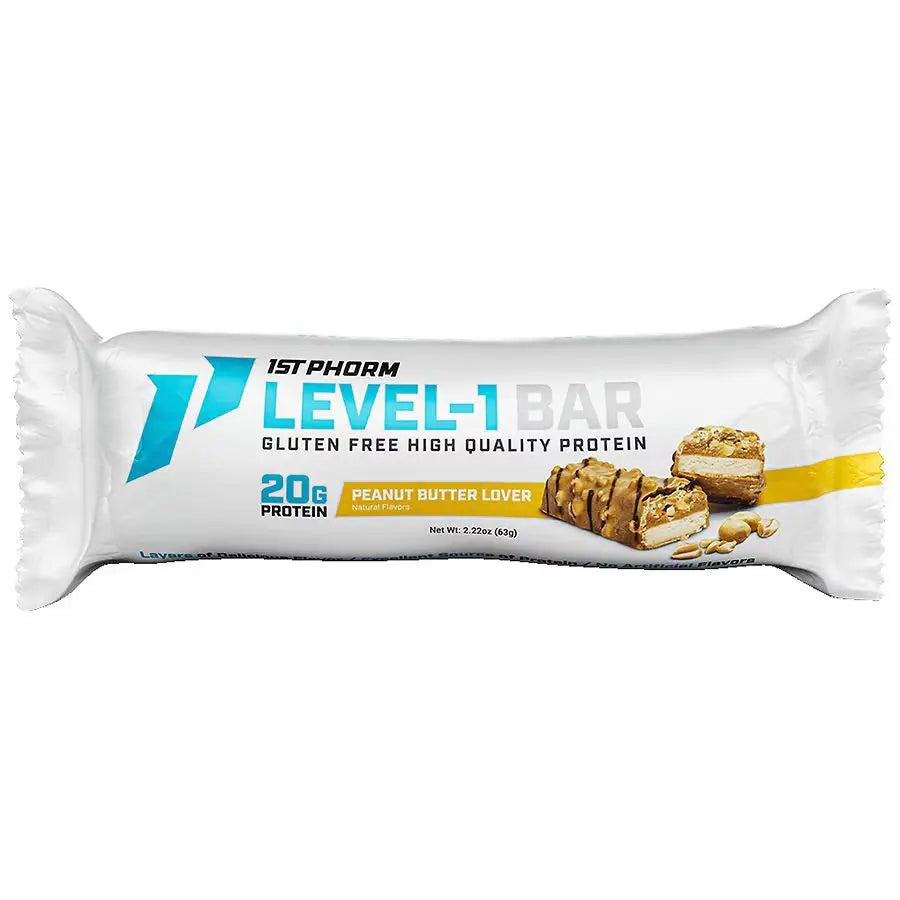
Your recovery stack should earn its place between sessions. If you train hard, choose workout recovery supplements based on what is actually holding back your next workout: missed protein, poor hydration, depleted fuel, soreness that disrupts training, or sleep that never feels deep enough. Throwing five tubs into a cart because every label says “recovery” is not a strategy. Build around your goal, your training volume, and the gaps your food-first plan does not cover.
Choose Workout Recovery Supplements by Your Bottleneck
Recovery is not one process. A high-volume leg day, a long run in Florida heat, and a late-night strength session all create different demands. Start by looking at the training you do most often and the problem that shows up afterward.
If you struggle to hit your daily protein target, a quality protein powder is the most useful place to start. If you finish workouts drenched, cramping, flat, or dragging through the rest of the day, hydration and electrolytes deserve more attention. If your performance falls off during longer sessions, carbs and intra-workout fuel may matter more than another amino product.
Be honest about your basics before buying specialty formulas. Supplements can support the work, but they cannot replace enough total calories, protein, fluids, sleep, and smart programming. A recovery product works best when it fills a real gap, not when it is expected to rescue a plan built on under-eating and four hours of sleep.
Protein: The Foundation for Muscle Repair
For lifters focused on lean mass, strength, or body recomposition, daily protein intake drives the conversation. A post-workout shake is convenient, but the bigger win is consistently reaching your total protein target across the day.
Whey protein is a fast, convenient option after training or whenever whole-food meals are inconvenient. Whey isolate can be a strong choice for people who want lower lactose and carbohydrate content. Blends can offer a creamier texture and slower digestion, while casein is often useful at night or during long stretches without food. Plant-based formulas can work well too, especially when the protein blend provides a complete amino acid profile.
Do not get trapped chasing a magical 30-minute post-workout window. Getting a protein-rich meal or shake around your training is practical, but total daily consistency wins. Pick a flavor and format you will actually use after the sessions when you are tired, hungry, and ready to leave the gym.
Carbs: Recovery Fuel for High Output Training
Carbohydrates are not mandatory after every casual workout. They become more valuable when you train hard, train for long durations, perform multiple sessions in a day, or need to be ready again quickly. Glycogen is the stored fuel your muscles rely on for demanding work, and tough sessions can leave the tank low.
A carb powder, a recovery shake with carbohydrates, or simply a solid meal can help restore fuel. The right choice depends on convenience and appetite. If you can eat rice, potatoes, fruit, oats, or another carb-rich meal after training, you may not need a separate powder. If work, travel, or back-to-back practices make meals difficult, fast-digesting carbs can be a useful tool.
For physique athletes in a calorie deficit, the answer is more specific. You still need recovery, but adding large carb servings without accounting for them in your daily intake can work against your plan. Match your intake to your workload and nutrition target.
Hydration Is More Than Water
Hard training with inadequate hydration can make everything feel worse: performance, pumps, endurance, and next-day readiness. Water matters, but a heavy sweater may also need sodium and other electrolytes, particularly during long sessions or hot outdoor training.
Look for an electrolyte product with a meaningful sodium amount, not just a flashy label and a trace of minerals. Sodium helps retain fluid and supports normal muscle function. Potassium, magnesium, and calcium can have a place too, but sodium is often the electrolyte athletes lose most through sweat.
Your needs vary widely. A short indoor lifting session may only call for water and a normal meal. A two-hour session, a long conditioning workout, or summer training outside is a different situation. If you regularly finish training with salt crusted on your clothes or headaches from dehydration, your hydration plan needs attention before you add more stimulants.
Creatine: Daily Strength Support, Not a Quick Fix
Creatine monohydrate belongs in many serious training stacks because it supports high-intensity performance and long-term training progress. It is not a post-workout product that suddenly repairs muscle tissue after one scoop. Its value comes from consistent daily use over time.
For most people, a straightforward daily serving of creatine monohydrate is enough. Timing is far less important than taking it consistently. You can mix it into your post-workout shake, take it with a meal, or use it whenever it is easiest to remember.
Skip products that make creatine sound exotic just because the label is complicated. Proven basics leave more room in your budget for quality protein, food, and the supplements that match your actual needs.
Amino Acids: Useful in the Right Situation
BCAAs and EAAs are common in recovery and intra-workout formulas, but they are not automatically necessary for everyone. If you already consume enough high-quality protein each day, especially from complete protein sources, a separate amino product may add less than you expect.
EAAs provide all essential amino acids, while BCAAs provide only three. That makes EAAs the more complete option when you want amino support during training. They can make sense for athletes training fasted, people who have a long gap before their next meal, or anyone who finds flavored amino drinks help them stay on top of fluids during long sessions.
The trade-off is simple: if money is limited, cover protein and hydration first. Aminos are a convenience and compliance play for many trainees, not a replacement for complete protein or meals.
Do Not Confuse Recovery With Stimulation
Some post-workout formulas include ingredients that promise energy, mood, or a “feel-good” finish. Read the label. If you train late, hidden caffeine or heavy stimulant blends can interfere with sleep, and poor sleep is one of the fastest ways to sabotage recovery.
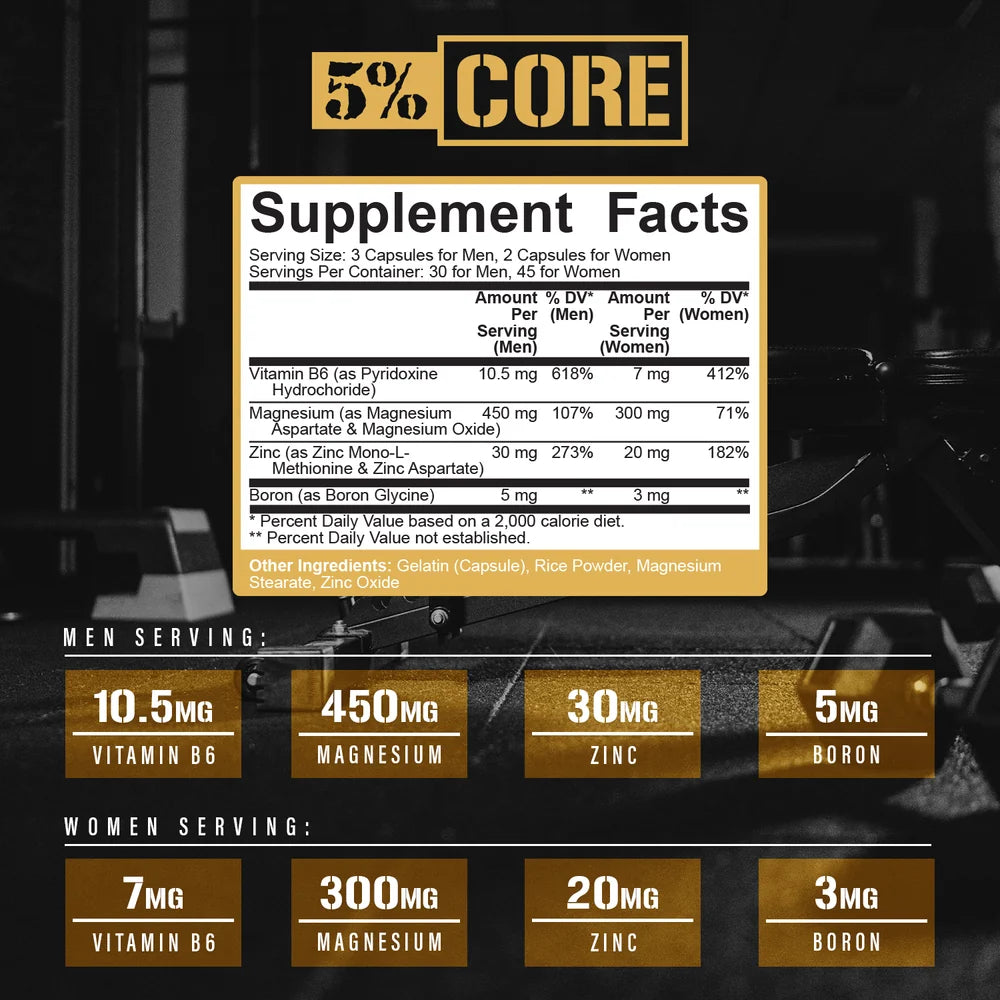
Other additions can be useful, but only when the formula tells you exactly what you are getting. Magnesium may support people who do not get enough through diet, but it is not a cure for every sore muscle. Tart cherry and similar ingredients are often used by athletes during especially demanding training blocks, but their value depends on the product, dose, and your individual response.
Avoid proprietary blends that hide ingredient amounts. You should be able to see the dose, understand why it is included, and decide whether it overlaps with what you already use. More ingredients do not automatically mean more results.
Read the Label Like You Read Your Training Log
A recovery supplement should have a job. Before buying, check the serving size, protein or carbohydrate amount, electrolyte profile, stimulant content, and total calories. Then compare it with your existing pre-workout, creatine, multivitamin, hydration mix, and protein supply.
This prevents expensive overlap. You may already be getting creatine in a daily formula, caffeine in your pre-workout, or electrolytes in your intra-workout drink. Doubling up by accident can waste money and make it harder to know what is helping.
Also consider digestion. The best formula on paper is useless if it leaves you bloated, nauseated, or unwilling to drink it. Start with the simplest option that solves your problem. Give it enough time, track your training and recovery, then adjust with purpose.
Build a Stack You Can Repeat
For most lifters, a practical recovery setup starts with protein powder for convenience, creatine monohydrate for daily performance support, and electrolytes when sweat loss or training duration justifies them. Add carbohydrates when your workload demands fast refueling. Consider EAAs when you train fasted or need a convenient intra-workout option, not because the label makes them sound mandatory.
Recovery is where disciplined training becomes repeatable training. Choose products that support tomorrow’s session, keep your nutrition on track, and fit your schedule without creating a cabinet full of half-used tubs. Train hard, recover with intent, and put your money behind what your body and your program actually need.