

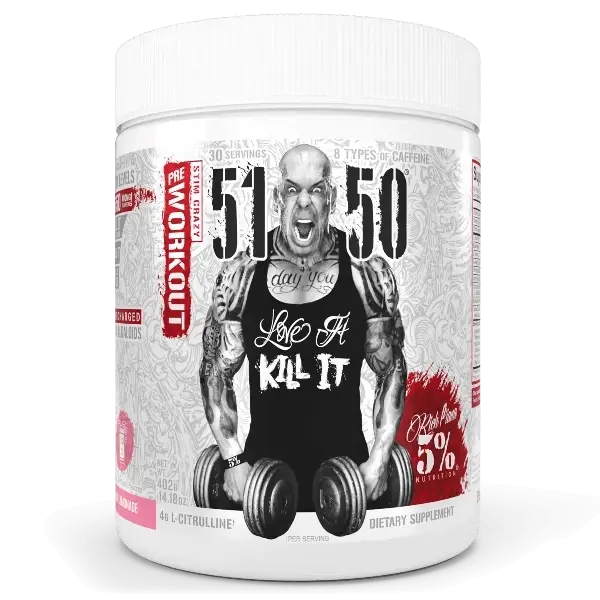
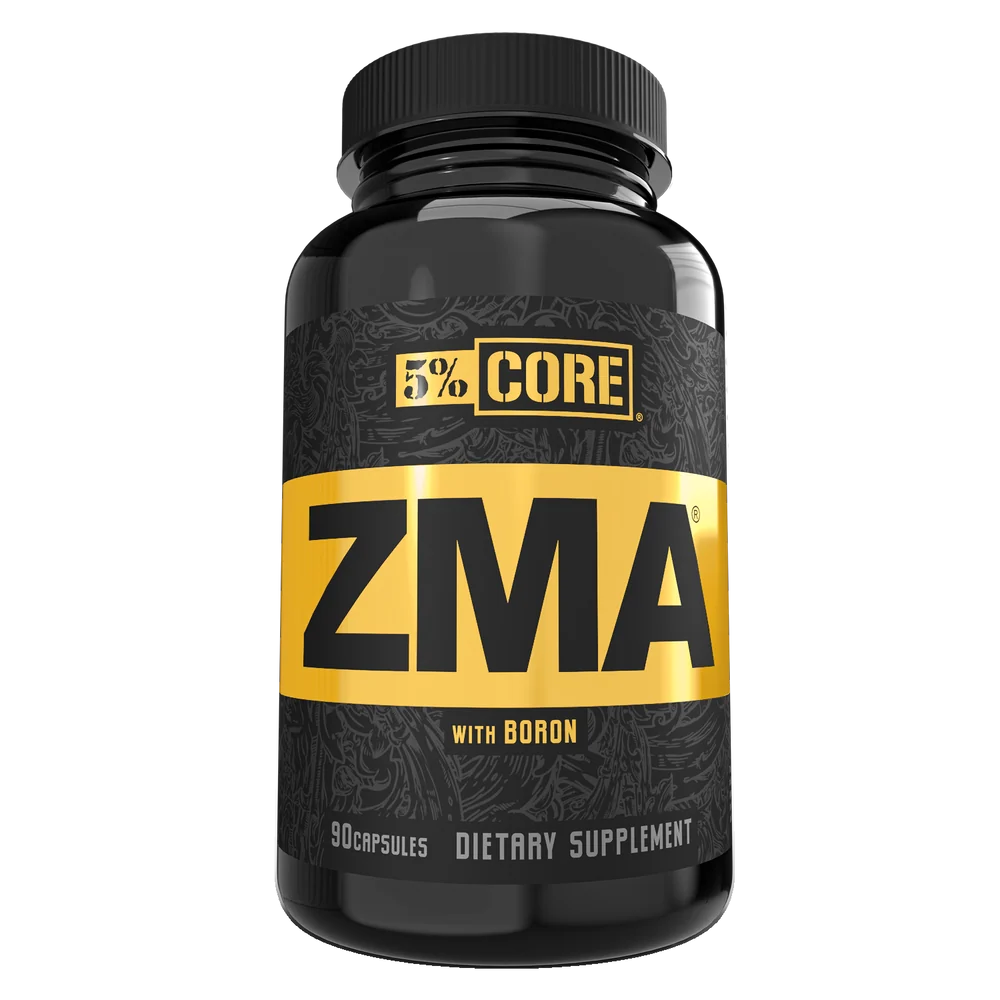
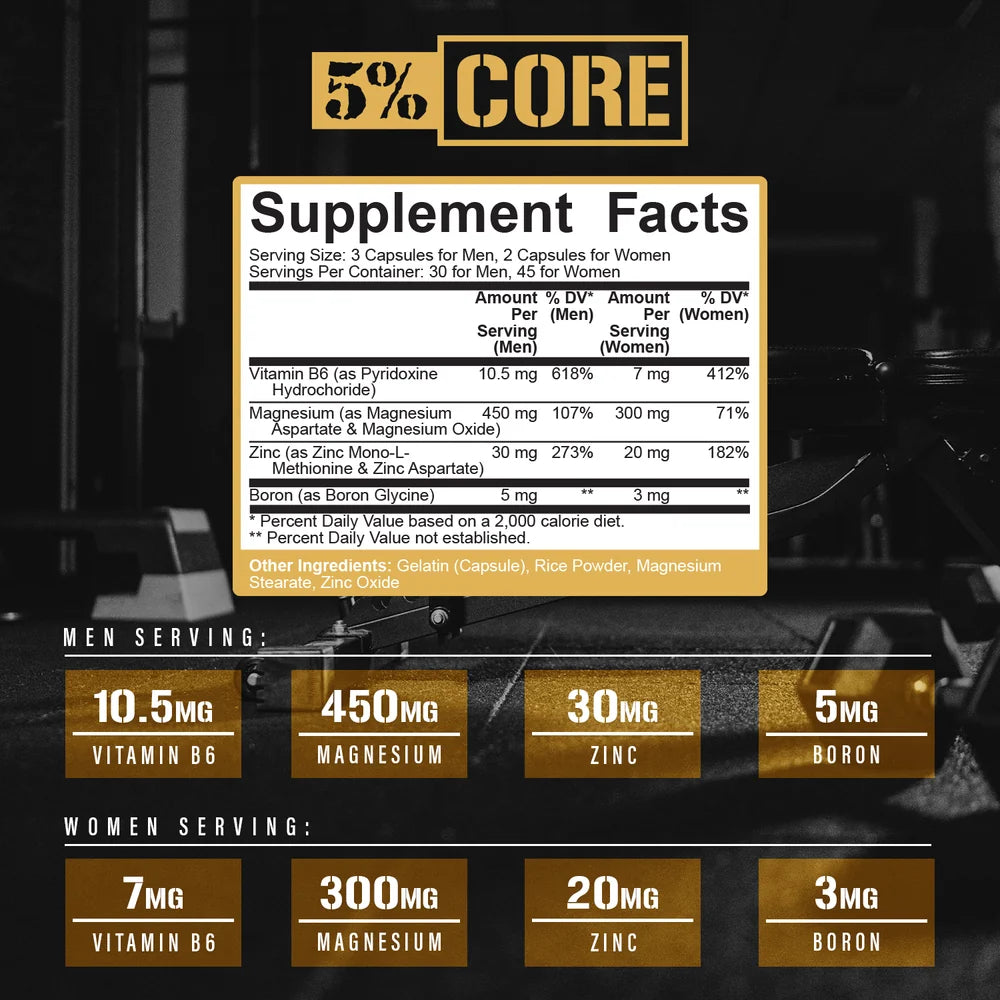
Your first few months under the bar are about earning progress the hard way: showing up, learning clean reps, adding weight patiently, and recovering well enough to do it again. Creatine for strength training beginners can support that work, but it is not a replacement for the work. Think of it as one of the most proven, practical tools in a serious training stack - after consistent lifting, enough protein, real meals, and sleep.
Creatine is not a stimulant. You will not feel it hit like pre-workout, and it will not turn a sloppy program into a strong one. What it can do is help your muscles produce energy during short, hard efforts. That matters when you are grinding out another rep on a squat, pressing through a tough set, or building more quality training volume week after week.
What Creatine Actually Does for New Lifters
Your body uses a compound called phosphocreatine to rapidly regenerate ATP, the immediate energy source used during high-intensity effort. Hard sets of lifting, short sprints, jumps, and repeated explosive work burn through that system quickly. Supplemental creatine raises the amount stored in your muscles, giving you a little more capacity for those demanding efforts.
The difference is usually not a dramatic first-day transformation. Over time, it may look like an extra rep at the same weight, a better set late in the workout, or the ability to maintain performance across several hard sets. Those small wins matter. Strength training works through progressive overload, and a few more productive reps over months can add up to meaningful strength and muscle gains.
Creatine also draws water into muscle cells. That can make muscles look and feel a little fuller, and the scale may rise during your first couple of weeks. This is not the same as gaining body fat. It is a normal effect of increased water stored inside the muscle, though total body weight can also shift with food intake, sodium, hormones, and training soreness.
Start With Creatine Monohydrate
For most beginners, creatine monohydrate is the clear starting point. It is heavily studied, effective, widely available, and usually the best value per serving. You do not need a complicated blend, an overpriced proprietary formula, or a dozen ingredients to make creatine work.
Look for a plain creatine monohydrate powder with a clearly listed serving size. Unflavored powder is easy to mix into water, a protein shake, or a post-workout drink. Flavored versions can be convenient if that helps you stay consistent. Capsules and gummies may also work, but they often cost more per gram and can require several servings to reach an effective daily dose.
The goal is not to find the most extreme-looking tub on the shelf. The goal is to get enough creatine, every day, for long enough to saturate your muscle stores.
The Simple Daily Dose
Take 3 to 5 grams of creatine monohydrate daily. For most people, 5 grams is an easy, dependable routine. Take it on training days and rest days. Consistency beats perfect timing.
You can take creatine whenever you are most likely to remember it. Add it to your morning shake, mix it with your post-workout protein, or keep it next to the water bottle you use every day. Taking it with food is fine, and mixing it into a shake is fine. There is no need to chase a narrow post-workout window.
Some lifters use a loading phase of around 20 grams per day, split into four servings, for five to seven days before dropping to a maintenance dose. Loading can fill muscle stores faster, but it is optional. It can also cause temporary stomach discomfort for some people. Beginners do not need to rush. Take 3 to 5 grams daily, stay on it, and let the routine do its job.
What to Expect in the First Month
If you have never used creatine, give it a few weeks before judging it. Without a loading phase, muscle creatine levels generally build gradually. You may notice a small increase in scale weight, better repeat effort on hard sets, or slightly stronger performance once your training becomes more structured.
Do not expect creatine to create progress you have not earned. If your squat technique changes every week, you train randomly, or you skip meals and sleep, you will not know what the supplement is doing. Beginners get the best return when they keep the fundamentals tight: follow a repeatable program, track lifts, use good form, eat enough protein, and recover.
A basic logbook will show more than the mirror on most days. Record the exercise, weight used, reps completed, and how the set felt. If you add reps or load while maintaining control, you are moving in the right direction. That is the performance signal worth chasing.
Creatine and Hydration
Because creatine increases water held in muscle, make hydration a daily habit. Carry a bottle, drink consistently around training, and pay attention to hot Florida sessions where sweat loss can climb fast. You do not need to force gallons of water, but going into training dehydrated is a bad setup for performance regardless of your supplement routine.
Creatine does not automatically cause cramps or dehydration in healthy users. In fact, the popular claim that it dehydrates everyone does not match the broader research. Still, your body is individual. If you are training in heat, using stimulants, or sweating heavily, fluids and electrolytes deserve attention.
Common Beginner Mistakes
The biggest mistake is treating creatine like a pre-workout. It does not need to be taken 20 minutes before lifting to work. Another common mistake is taking it only on gym days. Creatine works by building and maintaining muscle stores, so rest-day use matters.
Avoid mega-dosing because you think more powder means more results. More than the standard maintenance amount is unlikely to create better outcomes, and large doses are more likely to upset your stomach. If 5 grams feels heavy in your stomach, try 3 grams, take it with a meal, or split the serving into two smaller doses.
Do not confuse normal water-weight changes with fat gain. If you are in a fat-loss phase, the scale can be emotionally loud. Use waist measurements, progress photos, gym performance, and weekly average body weight instead of reacting to one weigh-in. Creatine can still fit a cut when strength retention and hard training are priorities.
Finally, do not buy creatine while ignoring protein intake. Creatine supports high-output training. Protein provides the building blocks your body uses to repair and build muscle. For a strength beginner, both are useful, but neither is a substitute for a complete diet.
Is Creatine Safe for Everyone?
Creatine monohydrate is well researched and is considered safe for most healthy adults when used as directed. Still, supplements are not one-size-fits-all. If you have kidney disease, are pregnant or nursing, take prescription medications, or have a medical condition that affects fluid balance or kidney function, speak with a qualified healthcare professional before using creatine.
Choose products from reputable brands with transparent labels. A single-ingredient creatine monohydrate product keeps the decision simple and makes it easier to know exactly what you are taking. If you are building your first stack, start there before piling on products you do not need.
Build the Routine, Then Earn the Results
Creatine belongs in the boring-but-effective category: take it daily, train with intent, eat for your goal, and repeat. There is no secret handshake and no need for a complicated schedule. A measured scoop and a consistent program are enough.
The bar will still be heavy. Your last reps will still demand focus. That is the point. Gear up, stay disciplined, and let small performance gains compound into the strength you came to build.