
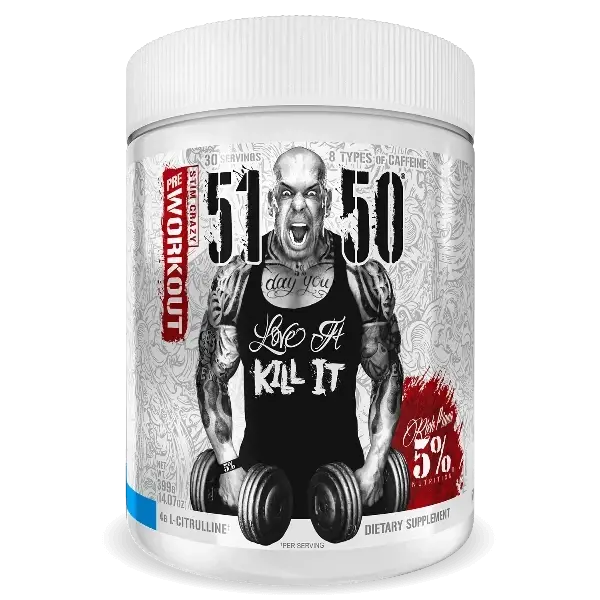
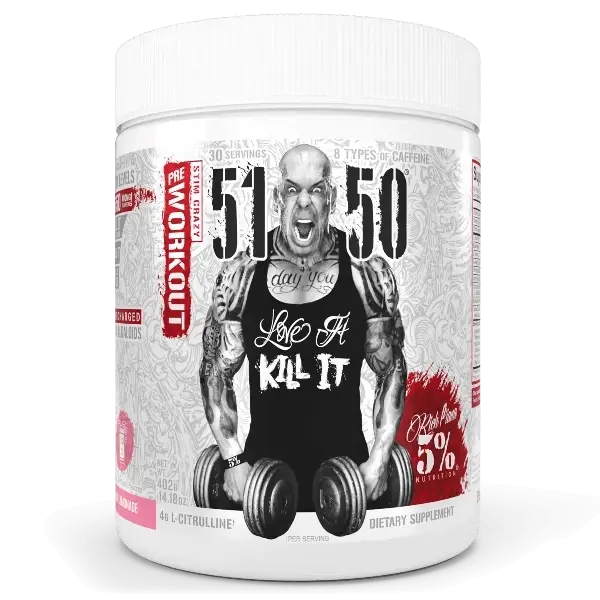
A pre-workout should make the bar feel lighter, the session feel sharper, and your focus harder to break. It should not leave you shaky in the parking lot, staring at the ceiling at 2 a.m., or wondering why your heart is racing during warm-ups. To use pre workout safely, treat it like performance equipment: know what is in it, use the right dose, and match the formula to the work in front of you.
Pre-workout is not a substitute for food, sleep, programming, or discipline. It is an edge when the basics are already handled. Used correctly, it can help you bring more intent to a heavy lower-body day, an early-morning lift, or a conditioning session when energy is legitimately low. Used carelessly, more scoops can turn a strong training day into a rough recovery night.
Use Pre Workout Safely by Starting With the Label
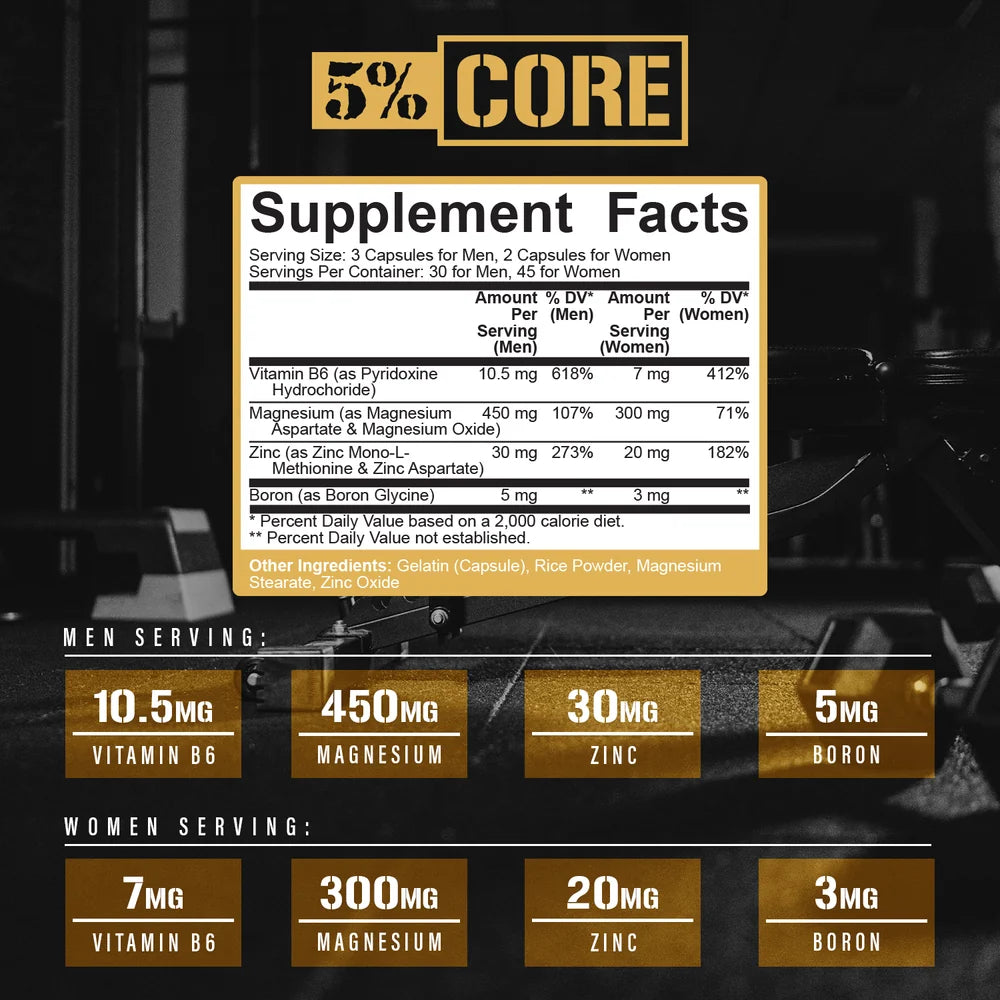
The front of the tub sells the feeling. The Supplement Facts panel tells you what you are actually taking. Start there every time, especially when changing brands or moving from a standard energy formula to a higher-stimulant pre-workout.
Look first at caffeine. Many products land around 150 to 300 milligrams per serving, while aggressive formulas can go higher. Caffeine tolerance varies, but more is not automatically better. If you are new to pre-workout, returning after time off, training later in the day, or unsure how you respond, begin with half a serving. Run that dose for several sessions before considering an increase.
Pay attention to the serving size, too. A single scoop is not always a single serving. Some labels list two scoops as the full serving, which can double the stimulant load and every other ingredient in the formula. Read the directions rather than assuming the included scoop equals your ideal dose.
For most healthy adults, keeping total daily caffeine at or below 400 milligrams is a widely used general guideline. That total includes coffee, energy drinks, soda, tea, fat burners, nootropic drinks, and pre-workout. A 250-milligram pre-workout followed by a large cold brew and an afternoon energy drink can put you well beyond a smart daily range without realizing it.
Know the Difference Between Stimulants and Performance Ingredients
A good label often contains more than caffeine. Ingredients such as citrulline, creatine, beta-alanine, betaine, electrolytes, and tyrosine may support pumps, training volume, hydration, strength output, or focus. Their effects and timing are different from stimulants.
Beta-alanine can cause harmless tingling or flushing, especially at larger doses. That sensation may feel intense, but it is not proof the product is working better. Citrulline may support blood flow and pumps, but it does not need to come with a huge caffeine hit to be useful. Creatine works through consistent daily intake, not the immediate rush of a pre-workout. Understanding that difference helps you choose a formula for the outcome you want instead of chasing the strongest feeling.
If you want pumps and endurance without a late-night stimulant crash, a non-stim or low-stim formula can make more sense. If your training is at 5 a.m. and you have a demanding session ahead, a moderate-stim option may be the better tool. Shop by goal, not just by the loudest label.
Time Your Dose for Your Training and Sleep
Most people take pre-workout 20 to 45 minutes before training. Your own digestion, meal timing, and caffeine sensitivity matter more than a universal rule. Taking it on an empty stomach can make the effects feel faster and stronger, but it can also increase nausea, jitters, or a hard crash for some lifters.
If you train after work, be especially strategic. Caffeine can stay active for hours, and a pre-workout at 6 p.m. may still be working when you are trying to sleep. Poor sleep hits recovery, hunger control, training output, and body-composition goals harder than most people want to admit. A great session is not worth sacrificing the next two days of progress.
Set a personal caffeine cutoff based on your bedtime. For some people, that means no stimulants after noon. Others can handle an early-afternoon dose. The answer is not toughness. It is how your body responds, how much caffeine you have consumed already, and whether you can still get quality sleep.
Do Not Stack Stimulants Carelessly
The fastest way to turn pre-workout into a bad experience is stacking products without doing the math. Avoid combining a stimulant pre-workout with energy drinks, high-caffeine coffee, thermogenic fat burners, or multiple focus formulas unless you have carefully checked every label.
This matters because many products use more than caffeine. They may include additional stimulant compounds or ingredients intended to heighten alertness. Combining formulas can create a dose far stronger than you planned. If you want to add something to your routine, choose products with a clear purpose. Pair a stimulant pre-workout with creatine or electrolytes if appropriate, not another stimulant product chasing the same effect.
Alcohol and pre-workout are also a bad mix. Alcohol can impair judgment and hydration status, while stimulants can mask how tired or impaired you feel. Save the pre-workout for training, not for pushing through a night out.
Hydration and Food Still Matter
Pre-workout does not replace hydration. Start your session already hydrated, then sip fluids through training based on heat, sweat rate, and session length. This is especially relevant in Central Florida, where outdoor conditioning, garage gyms, and hot commutes can turn a normal session into a sweat-heavy one fast.
For long, high-volume, or high-heat sessions, electrolytes and carbohydrates may matter more to performance than adding another half scoop. If you are underfed, dehydrated, and sleep-deprived, a stronger pre-workout only covers the problem for a short window. Fuel the session like you want to recover from it.
A small meal with carbohydrates and protein one to three hours before lifting works well for many athletes. Others prefer a lighter snack closer to training. Test your routine on normal days, not on the day you plan to hit a max deadlift or a hard conditioning benchmark.
When Pre-Workout Is Not the Right Call
Skip the stimulant formula when you are sick, severely sleep-deprived, dehydrated, hungover, or already feeling anxious and overstimulated. Those are not days to force intensity with more caffeine. Train lighter, use a non-stim pump product if it fits your routine, or take the recovery day.
Stop using a product and seek medical guidance if you experience chest pain, fainting, severe shortness of breath, an irregular heartbeat, or symptoms that feel alarming or unusual. Do not try to grind through warning signs.
People who are pregnant or nursing, under 18, sensitive to caffeine, or managing heart conditions, blood pressure concerns, anxiety disorders, thyroid conditions, or medication use should speak with a qualified healthcare professional before using pre-workout. The same applies if you are taking prescription stimulants or medications that may affect heart rate or blood pressure. A label cannot account for your full health history.
Watch for These Signs Your Dose Is Too High
A dose is too high if you repeatedly feel jittery, nauseated, panicky, unusually irritable, lightheaded, or unable to sleep after training. Headaches, a hard post-workout crash, and a rising need for more caffeine to get the same effect are also signs to reassess.
Pull back to a half serving, switch to a lower-stim option, or take a caffeine break. Tolerance breaks are not a loss of momentum. They can help restore sensitivity so a reasonable dose works again. The goal is reliable training energy, not being wired every time you walk into the gym.
Build a Smarter Pre-Workout Routine
Keep your system simple. Use one product, measure the serving accurately, and track how you feel during the session and later that night. If your sleep drops, your appetite is off, or your resting energy feels flat, your pre-workout routine may be costing more than it delivers.
Choose formulas from brands that clearly disclose ingredient amounts rather than hiding everything behind vague blends. Then give the product enough time to evaluate. One great pump or one bad day does not tell the full story. Look for consistent energy, clean focus, training quality, digestion, and recovery across several workouts.
The best pre-workout is the one that helps you show up prepared without creating a problem you have to solve afterward. Respect the dose, protect your sleep, and save the all-out intensity for the sets that build results.