
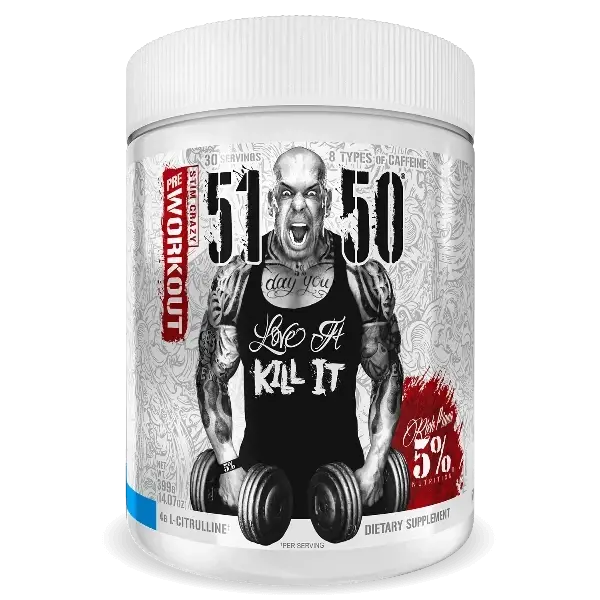
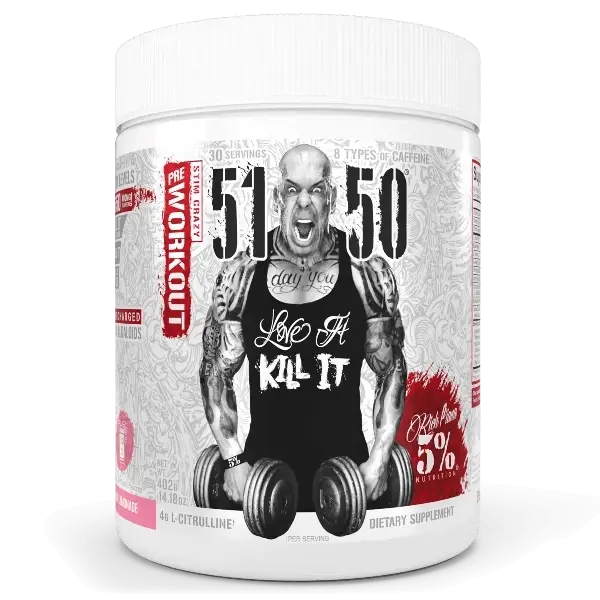
The difference between a locked-in training session and a shaky, scattered one can come down to what happens in the 30 minutes before your first working set. Jitter free pre workout focus is not about feeling flat or under-stimulated. It is about having enough energy to attack the work, enough mental control to execute it well, and enough stability to leave the gym without a hard crash.
For lifters chasing progressive overload, athletes training after a long day, and anyone who wants a better session without the racing-heart feeling, the target is clean output. You want your attention on your setup, breathing, tempo, and rep quality - not on whether your hands are trembling before you even touch the bar.
What Jitter Free Pre Workout Focus Actually Means
A clean pre-workout experience is steady, not necessarily subtle. You may still feel alert, motivated, and ready to train. The difference is that the energy feels controllable. Your mind is switched on, but you can stay patient through warm-up sets and precise when the weight gets heavy.
Jitters usually show up when stimulation outpaces your tolerance. That can happen with a high caffeine dose, multiple stimulants stacked together, too little food, poor hydration, or a product taken too close to other caffeine sources. An energy drink at work, a strong scoop before training, and a fat-burner later in the day can add up fast.
Focus is also bigger than stimulants. A hard training block requires sleep, carbohydrates, hydration, and a plan. No formula can fully compensate for running on four hours of sleep and walking into the gym under-fueled. Pre-workout should support your discipline, not carry the entire session on its back.
Start With the Caffeine Dose, Not the Hype
Caffeine can be a valuable performance tool, but more is not automatically better. A formula with a massive stimulant hit might feel intense for the first 20 minutes, then leave you overstimulated, distracted, and drained before your final movements. That is not a win.
Your best dose depends on body size, personal sensitivity, caffeine habits, training time, and how much sleep you need that night. Someone who rarely uses caffeine may feel excellent with a modest dose. A regular coffee drinker may need more to notice an effect, but that does not mean they need to chase the strongest product available.
Start lower than your ego wants to. Use the smallest effective serving, assess the full workout, and pay attention to more than the first rush. Did you stay engaged through your final sets? Was your technique sharp? Could you eat afterward? Did you fall asleep at a reasonable time? Those answers tell you far more than a quick face-tingling sensation.
Timing matters too. Many people do well taking pre-workout roughly 20 to 45 minutes before training, but the right window depends on the formula and your digestion. If you train in the evening, stimulant control becomes even more important. A great 7 p.m. workout is not great if it wrecks your sleep and turns tomorrow's session into a grind.
Ingredients That Support Clean Focus
The label matters. Look past flashy names and focus on ingredients with a clear job in the formula. Caffeine is the obvious driver of alertness, while L-theanine is often used alongside caffeine to support a calmer, more controlled feel. The combination works well for many lifters, although individual response still matters.
Tyrosine is another common focus ingredient. It is often included to support mental performance under stress, which can be useful when training is the last hard task of a demanding day. Alpha-GPC and other choline-support ingredients may also be used in focus formulas. Some athletes like the sharper mind-muscle connection they report from them; others notice little difference. Your response is the deciding factor.
Pump and performance ingredients deserve their own attention. Citrulline can support blood flow and training endurance, while creatine supports high-output performance over time. Neither is a stimulant, but both can help make a pre-workout feel more complete. A formula does not need to be loaded with harsh stimulants to help you train hard.
Be careful with proprietary blends that hide exact amounts. If you cannot see how much caffeine or other active ingredients you are getting, it becomes harder to control your intake. Serious training requires repeatable inputs. Transparent dosing makes that possible.
Build a Jitter Free Pre Workout Focus Routine
A strong formula works better when the rest of your routine is not working against it. Start with hydration. Even mild dehydration can make a stimulant feel rougher and can drag down performance. Drink water consistently before training, and use electrolytes when your session is long, your gym is hot, or you sweat heavily.
Food can change the entire feel of pre-workout. Taking a stimulant on an empty stomach may hit faster and harder, which is not always a good thing. A light meal with carbohydrates and protein one to two hours before training gives many lifters more stable energy. If you train early and cannot tolerate a full meal, even a small, easy-to-digest carb source can be useful.
Then match the product to the workout. A heavy lower-body day, a long conditioning session, and a late-night pump workout do not always call for the same formula. On a high-output day, you may want more performance support. On a late session, a lower-stimulant or stimulant-free pump formula may be the smarter move. The goal is to make good decisions session after session, not prove you can tolerate the harshest scoop.
Keep your daily caffeine total in view. Coffee, tea, soda, energy drinks, fat-loss products, and pre-workout all count. If you are getting anxious, shaky, nauseated, or crashing hard, do not just switch flavors or take another half scoop. Audit the full stack.
Signs Your Pre-Workout Is Too Aggressive
A little intensity is expected. A pounding heartbeat, dizziness, nausea, panic-like feelings, or an inability to focus is not productive training energy. Neither is the hard afternoon crash that makes you raid the pantry and skip your planned recovery meal.
If that is your pattern, reduce the serving size, remove other caffeine sources, take the product with food, or move to a lower-stimulant option. Give your system time to reset before deciding that you need an even stronger formula. If you have a medical condition, are pregnant or nursing, take medication, or have concerns about caffeine and blood pressure, get guidance from a qualified healthcare professional before using stimulant-based supplements.
Shop for the Session You Want
The best pre-workout is not the one that creates the biggest buzz in the locker room. It is the one that helps you train with intent, hit your programmed work, and recover well enough to do it again. Clean focus creates better reps. Better reps, repeated for months, create progress.
At Max Muscle Orlando, shop by goal and read the label like your training depends on it - because it does. Choose a formula that matches your tolerance, your schedule, and the work in front of you. Then get under the bar, stay present, and earn the session.