
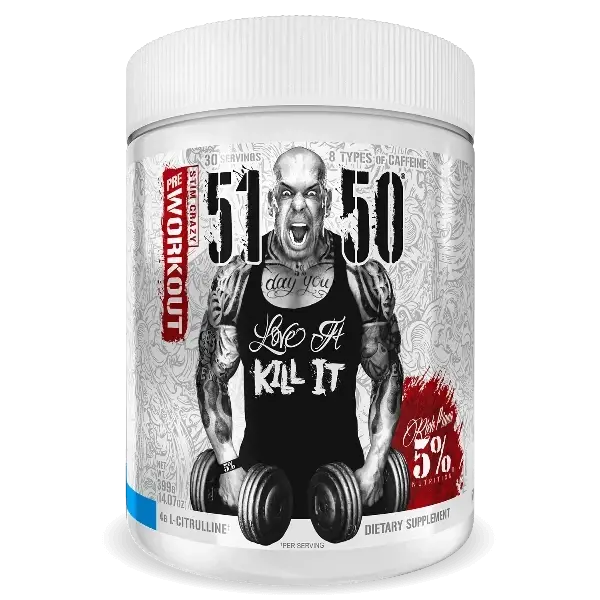
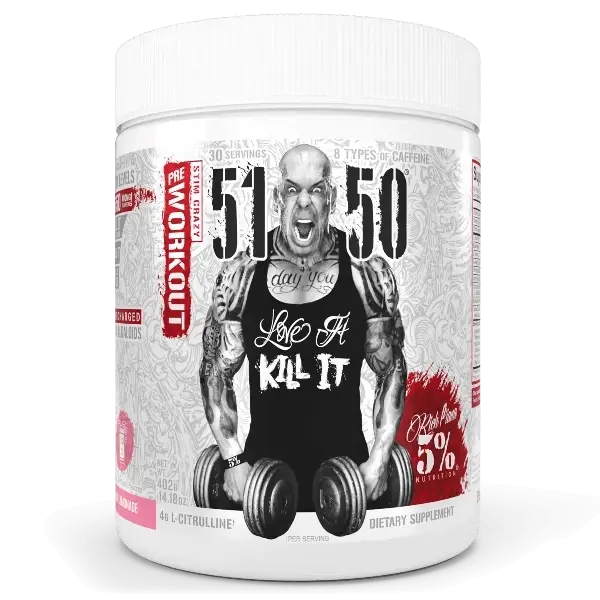
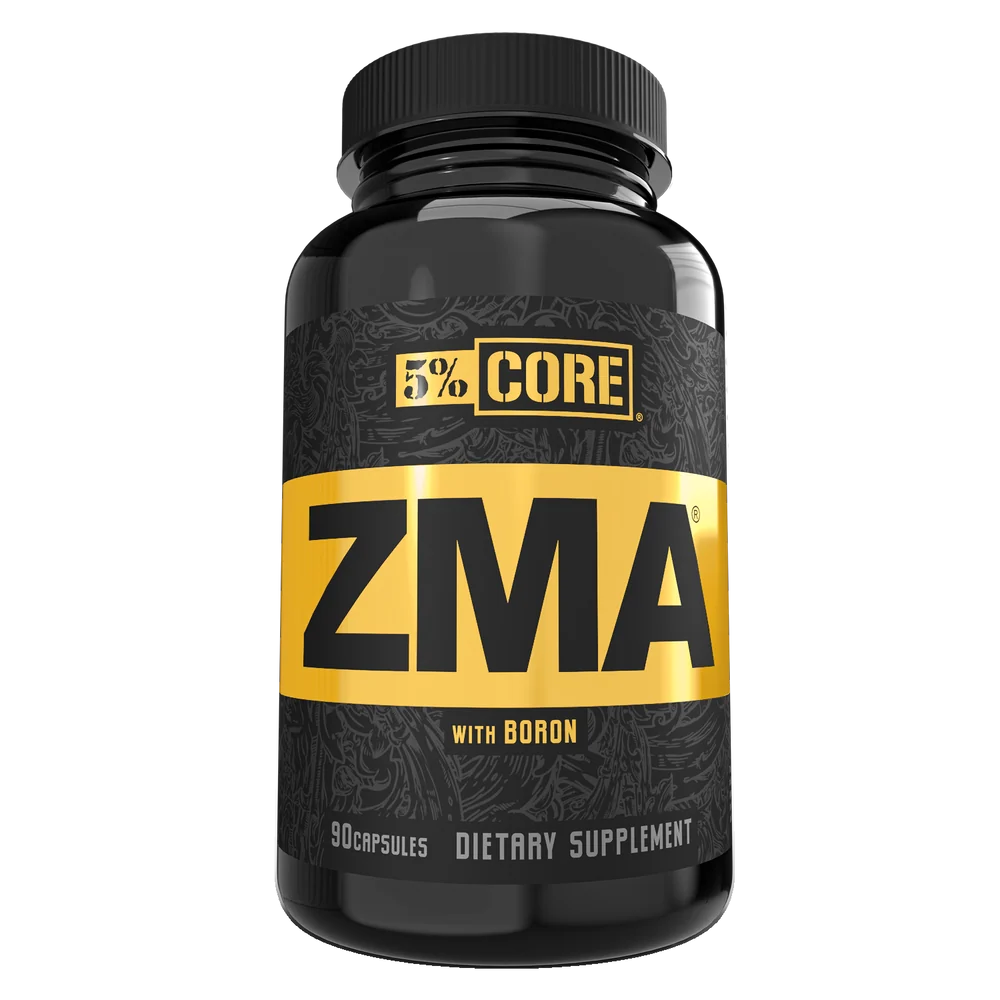
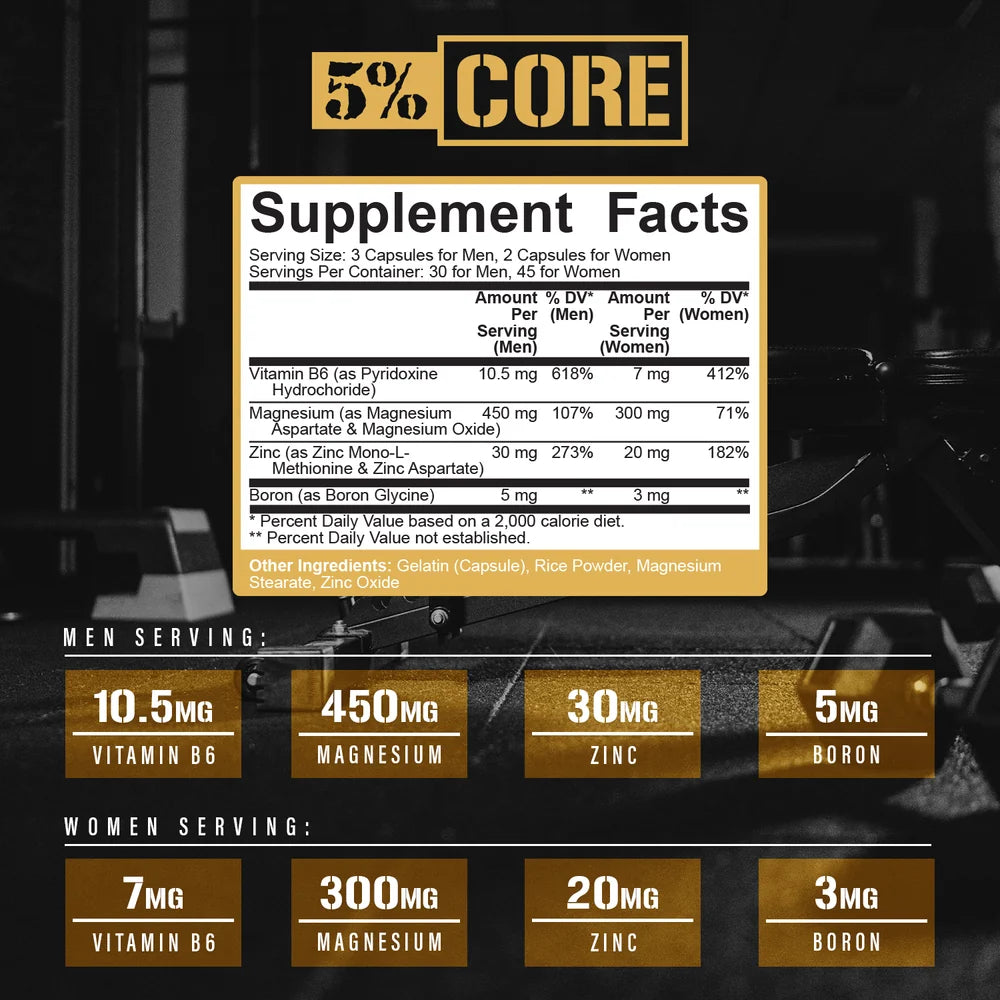
The session is at 6 p.m., but you still want to sleep before midnight. That is where a non stimulant pump supplement earns its place in a serious training stack. It is built for athletes who want the full-muscle feeling, strong training output, and focus on the work without relying on another heavy stimulant hit.
For lifters who train late, cycle off caffeine, or simply hate the shaky feeling that can come with high-stim pre-workouts, a pump formula can be the smarter move. The goal is not artificial hype. The goal is showing up ready to attack the work, keep performance steady, and leave the gym without feeling wrecked.
What a Non Stimulant Pump Supplement Does
A stim-free pump product is designed to support blood flow, muscle fullness, hydration, and training performance without ingredients such as caffeine. You may see it labeled as a non-stim pre-workout, nitric oxide booster, or pump formula. The label language changes, but the mission stays the same: help you train hard without pushing your nervous system harder than necessary.
That makes these formulas useful beyond late-night sessions. Some athletes use them before every workout because they prefer a cleaner feel. Others keep one on hand for deloads from caffeine or pair it with a separate energy product so they can control exactly how much stimulant they take.
The difference matters. A high-stim pre-workout can make you feel wired even when your hydration, nutrition, and recovery are off. A quality pump formula will not cover up poor habits. It can, however, support a dialed-in training plan with a more controlled, performance-first approach.
Who Should Run a Stim-Free Pump Formula?
If you train after work, a non-stim formula is an easy answer. You can take it before a hard chest, back, leg, or arm session without making sleep the price of admission. That is a win when your results depend on recovering well enough to train again.
It also makes sense for lifters who already get caffeine from coffee, energy drinks, or a morning pre-workout. Stimulants stack fast. Instead of guessing how another 250 or 300 milligrams of caffeine will hit, you can use a pump-focused product and keep your intake under control.
Competitive physique athletes, strength trainees, and serious gym regulars may also prefer a non-stim option during periods when they want to reduce tolerance. If your usual pre-workout barely registers anymore, taking a break from stimulants can make future doses feel more effective. A pump product lets you keep the pre-training ritual and training intensity while you reset.
There is one trade-off: do not expect a stim-free formula to create the same immediate urgency as caffeine. If you walk into the gym exhausted after five hours of sleep, no scoop will replace rest. What it can do is support better blood flow, hydration, and the mind-muscle connection once you start moving weight.
Ingredients That Actually Matter for Pumps
A crowded label is not automatically a better label. Look at serving sizes and dosages, not just flashy front-label claims. These are four ingredient categories worth understanding when you shop by goal.
- L-citrulline or citrulline malate: Citrulline supports nitric oxide production, which is associated with blood flow and the muscle-pump effect. The formula and dose matter, so check whether a brand discloses the full amount instead of hiding it inside a proprietary blend.
- Nitrates: Nitrate-based ingredients can support nitric oxide through a different pathway than citrulline. Some athletes respond especially well to products that combine pathways, but individual tolerance varies.
- Betaine and glycerol: These are commonly included to support hydration and cellular volume. Glycerol can be particularly useful when you sweat heavily, though it works best when you are already drinking enough water.
- Electrolytes and taurine: A hard session in Florida heat or a high-volume training block can drain more than motivation. Electrolytes and taurine can support hydration strategy, especially when paired with consistent fluid intake.
Avoid the Underdosed Label Trap
The most impressive-looking tub is not always the hardest-working one. A formula can list every popular pump ingredient and still provide amounts too low to make much difference. Transparent labels make comparison easier because you can see the exact serving amounts.
Also pay attention to servings per container. A low sticker price can stop looking like a deal if you need two scoops to reach the intended performance dose. Compare cost per effective serving, not just the number on the tag.
How to Take a Non Stimulant Pump Supplement
Most pump formulas are taken roughly 20 to 40 minutes before training, but follow the label directions first. Mix it with enough water, particularly if the formula includes glycerol or a heavy electrolyte blend. Going into a demanding workout dehydrated and expecting a scoop to fix it is a losing strategy.
Start with the suggested serving, especially if you are new to pump ingredients. Some formulas can create tingling, warmth, or digestive discomfort depending on the ingredients and your tolerance. That does not mean the product is automatically bad, but it does mean more is not always better.
Your pre-workout meal matters, too. A balanced meal with protein and carbohydrates a couple of hours before training can make a pump formula feel much more productive. Training completely underfed may be necessary on occasion, but it is not the best setup for consistently strong performance or muscle-building sessions.
For an advanced stack, pair a stim-free pump with creatine you take daily and a solid intra-workout hydration plan. If you choose to add caffeine separately, begin conservatively. The advantage of building your own stack is control. You can run pumps only for evening workouts, add a light caffeine dose for early sessions, and adjust without buying a different tub for every situation.
Choosing the Right Formula for Your Goal
The best non stimulant pump supplement is not necessarily the one with the most extreme name. It is the one that matches how you train.
For high-volume hypertrophy training, prioritize citrulline, hydration support, and a formula you can use consistently. Chasing a bigger pump is fun, but the real return comes from getting quality reps, controlling the eccentric, and progressing over time.
For strength-focused sessions, look for a balanced formula that supports hydration and focus without leaving you bloated or distracted. Heavy triples and technical lifts demand concentration. A formula that sits well and keeps your routine predictable may serve you better than an ingredient kitchen sink.
For late-night gym sessions, keep the formula truly stimulant-free. Read the label closely. Some products marketed around pumps still contain caffeine or stimulant-like compounds. If sleep is the reason you are switching, do not accidentally bring the problem back into your stack.
If you are sensitive to certain ingredients, choose accordingly. Some athletes prefer plain L-citrulline or a simpler formula because it is easier to identify what works for them. Others want a complete pump blend for maximum convenience. Both approaches are valid when the label is clear and the product fits your training schedule.
Pumps Are a Tool, Not the Program
A great pump can make a strong workout feel even better. It can also be a useful signal that you are hydrated, fueled, and driving blood into the working muscle. But it is not the measure of progress by itself. Strength trends, body composition, recovery, execution, and consistency still carry the weight.
Use supplements like a serious lifter uses straps, a belt, or a shaker cup: as gear that supports the work. Get your meals handled, drink your water, train with intent, and pick a formula that helps you bring pressure to every set without sacrificing the recovery you need tomorrow. Then gear up and make the session count.