
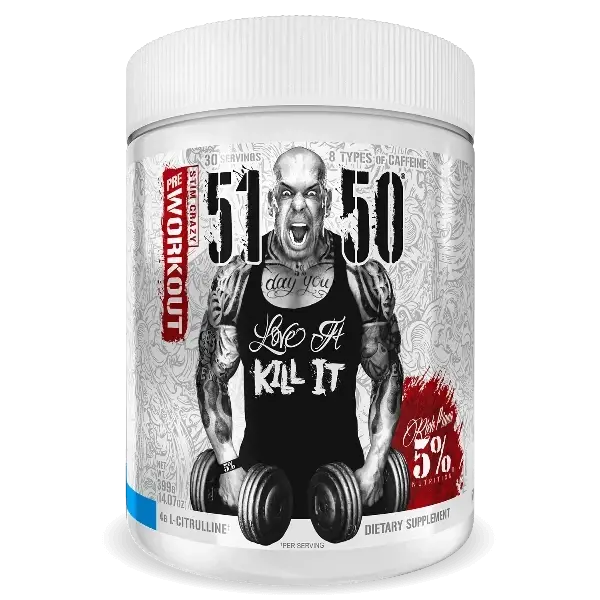
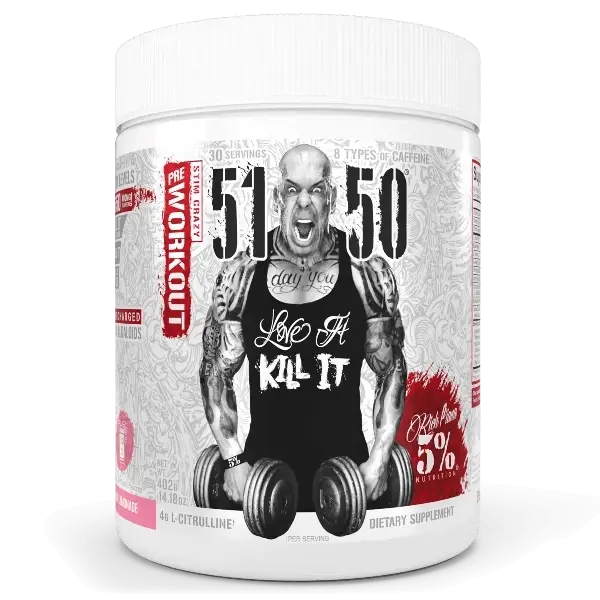
The clock says 5:30 p.m., your workday took more than it gave back, and leg day is still on the schedule. That is the moment a pre workout earns its place. Not by replacing discipline, sleep, food, or a real program, but by helping you show up switched on when the work is waiting.
A good formula should match the session in front of you. Heavy compounds, high-volume hypertrophy work, conditioning, and an early-morning lift can call for different levels of energy, focus, endurance, and pump support. The goal is not to choose the most aggressive label. It is to choose a product you can use consistently, tolerate well, and trust when it is time to train hard.
What Pre Workout Is Built to Do
Pre-workout supplements are designed to support training performance before you enter the gym. Most formulas combine ingredients aimed at energy, mental focus, muscular endurance, blood flow, hydration, or some combination of all four.
Caffeine is the ingredient most people notice first. At the right dose, it can increase alertness and make a demanding session feel more manageable. But stimulant strength alone does not define a quality formula. A scoop packed with caffeine may feel intense for 30 minutes and still leave you flat, shaky, or unable to sleep later that night.
The better question is simple: what is stopping your session from being productive? If you need to feel alert for a 6 a.m. training block, caffeine and focus support may matter most. If your energy is fine but you want fuller training pumps and better high-rep output, a pump-forward, lower-stim option may be the smarter move. If you train late, stimulant-free can keep your sleep from taking a hit.
Match Your Formula to the Mission
There is no single best pre workout because there is no single kind of training. Choose based on your goal, your schedule, and your tolerance.
For energy and focus
Stimulant-based formulas are built for trainees who need a clean push into the session. Along with caffeine, you may see ingredients such as L-theanine, tyrosine, Alpha-GPC, or other nootropic-style compounds intended to support concentration. This category makes sense for hard lifting days, demanding conditioning, or days when your mental energy is the limiting factor.
More is not automatically better. If a product leaves you distracted, anxious, nauseated, or crashing halfway through training, it is not helping your performance. Start with a lower serving if you are new to the formula, especially if you already use coffee, energy drinks, fat burners, or other caffeine-containing products.
For pumps and volume
Pump formulas usually emphasize blood-flow and hydration ingredients such as citrulline, glycerol, betaine, taurine, and electrolytes. They are a strong fit for bodybuilding-style training, higher-volume work, and lifters who want to push hard without relying on a major stimulant hit.
A pump is not just about looking fuller between sets. When you are well hydrated and your formula supports blood flow, it can make high-rep work feel more productive. Still, the formula cannot outwork poor hydration. If you walk into the gym underfed and dehydrated, no scoop is going to fix the foundation.
For late-night training
Late sessions demand a different strategy. A high-stimulant pre workout at 7 p.m. can turn one productive workout into a bad night of sleep, and poor sleep will eventually wreck recovery, appetite control, and training quality.
For evening lifters, look for stimulant-free pump support or a low-caffeine formula. You can still get focus from a consistent warm-up, a clear training plan, good music, and the decision to put the phone away between sets. No excuses, but no need to sabotage tomorrow either.
For endurance and conditioning
If your work includes circuits, sled pushes, field training, long lifting sessions, or conditioning blocks, hydration support becomes more valuable. Electrolytes, carbohydrates when appropriate, and ingredients geared toward endurance can matter more than chasing the strongest energy rush.
This is where some trainees make a costly mistake: they use a stimulant-heavy product while underhydrating and underfueling. They feel wired, not prepared. For sweat-heavy training in Central Florida heat or any hot environment, water and electrolytes need to be part of the plan.
Read the Label Like Your Progress Depends on It
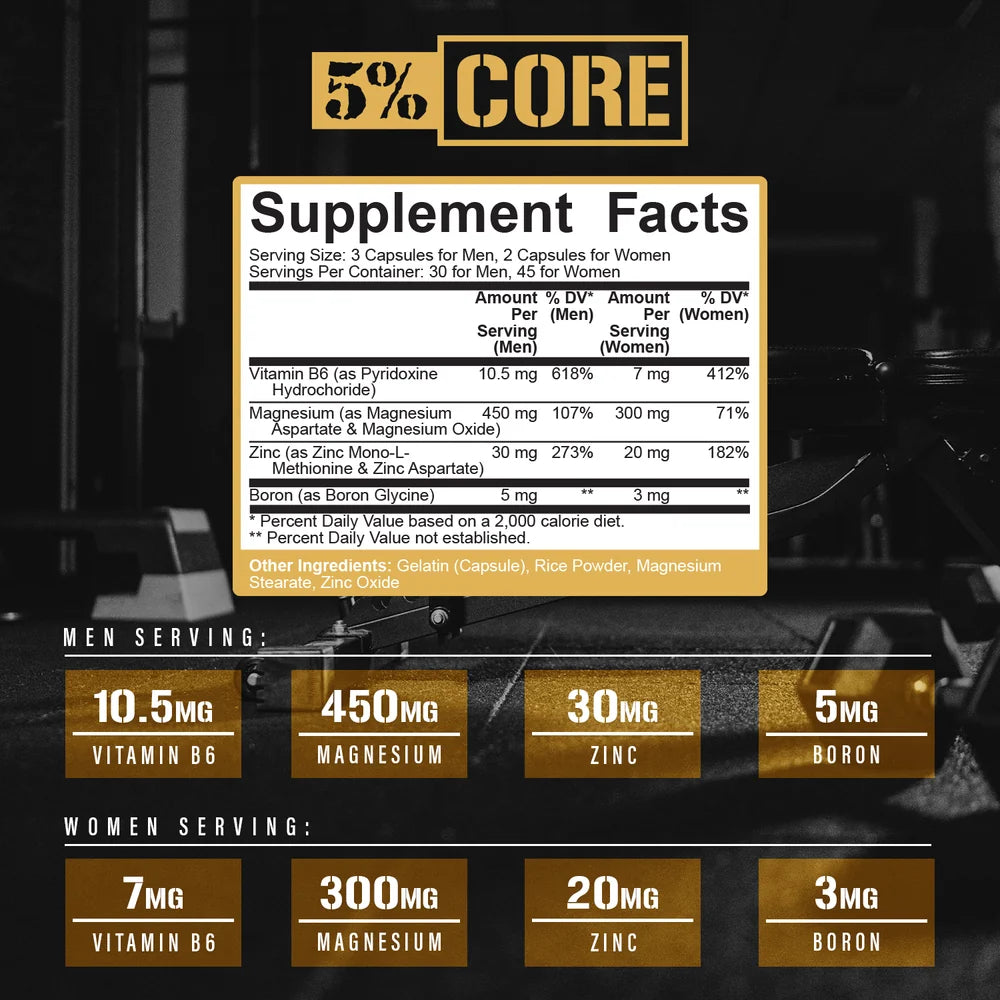
A front label can look impressive without telling you what you need to know. Turn the container around and read the Supplement Facts panel.
First, check the serving size. Some products list a moderate caffeine amount per scoop but recommend two scoops for a full serving. Others are intentionally concentrated, so one scoop delivers a serious dose. Know what you are actually taking before you stack it with coffee or a functional beverage.
Next, look for transparent dosing. You do not need a chemistry degree, but you should be able to see the amount of each major ingredient. Transparent labels make it easier to compare formulas and decide whether a product fits your goal. A proprietary blend can make that comparison harder because it hides how much of each ingredient is included.
Also pay attention to ingredients that create sensations people confuse with “better.” Beta-alanine can cause tingling or skin flushing. That feeling is common and does not mean the product is more powerful. Niacin can also create warmth or flushing in some people. Judge a formula by your training output, focus, digestion, sleep, and consistency, not by how dramatic the first 15 minutes feel.
Timing and Food Matter More Than Most People Think
Most people take pre workout around 20 to 40 minutes before training, but timing depends on the formula and your digestion. If you train immediately after taking it, the effects may not fully kick in until you are halfway through your warm-up. If you take it too early, you may waste the strongest part of the experience before your top sets begin.
Your meal timing matters too. A large, heavy meal right before a stim-heavy pre can create discomfort. On the other hand, training completely empty after a long day can leave you with no fuel for quality work. Many lifters do well with a light meal or snack containing carbs and protein well before the gym, then use their pre workout as the final switch into training mode.
Think of the supplement as the ignition, not the fuel tank. Food, fluids, sleep, and programming are the fuel.
Avoid the Common Pre-Workout Mistakes
The fastest way to ruin a useful tool is to use it carelessly. Do not increase servings just because the first use felt mild. Your body may adapt to caffeine over time, and doubling the dose can increase side effects faster than it improves performance.
Do not stack multiple stimulant products without checking total caffeine. That includes coffee, energy drinks, thermogenics, and certain headache or cold medicines. If you are sensitive to caffeine, pregnant or nursing, have a medical condition, take medication, or have concerns about blood pressure or heart health, speak with a qualified healthcare professional before using stimulant supplements.
Finally, do not use pre workout to cover up chronic fatigue. One rough night happens. A rough month is a recovery problem. If you need escalating stimulants just to complete normal training, pull back and look at sleep, calories, stress, hydration, and your program.
Build a Smarter Pre-Training Routine
The most effective routine is boring in the best way: repeatable. Pick a formula that fits your training time, use the smallest effective serving, drink water, and arrive with a plan for the session. Save the strongest products for days that actually demand them instead of turning every casual workout into a stimulant event.
At Max Muscle Orlando, shoppers can sort performance supplements by goal instead of guessing in front of a crowded shelf. Whether you need clean energy, serious pumps, non-stim support, or hydration for long sessions, choose the tool that fits the work.
Your pre workout should make it easier to attack the session, not harder to recover from it. Train hard, read the label, respect your tolerance, and leave enough in the tank to come back stronger tomorrow.