
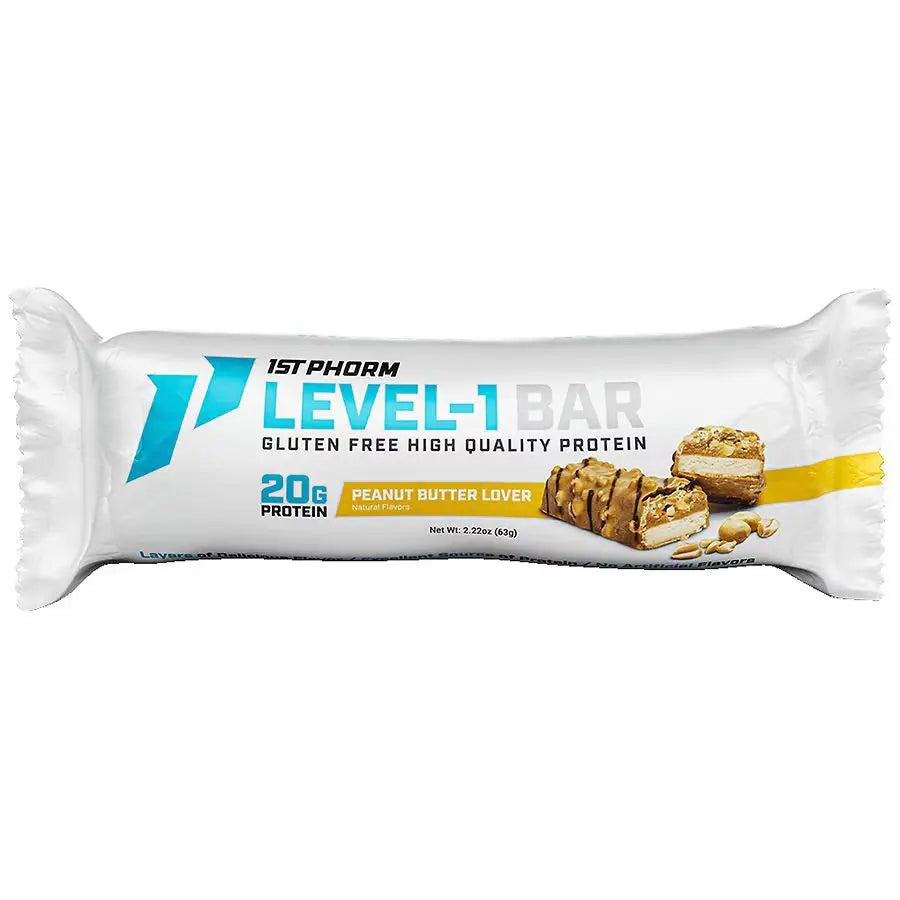

You are between meetings, stuck in traffic after training, or headed straight from the gym to work. A shaker is empty, lunch is nowhere in sight, and the vending machine is calling. Protein bars as meal replacement can be a smart move in that moment, but only if the bar actually earns the job.
A high-protein snack is not automatically a meal. If your goal is fat loss, lean muscle, strength, or simply hitting your macros without blowing up your schedule, the difference matters. The right bar can keep you fueled and on plan. The wrong one is just expensive candy with a protein claim on the wrapper.
When Protein Bars as Meal Replacement Make Sense
A protein bar works best as a backup meal, not a replacement for every plate you eat. Whole-food meals still bring advantages that are hard to package: more volume, a broader range of micronutrients, better hydration, and the satisfaction that comes from eating real food. Chicken, rice, potatoes, eggs, Greek yogurt, fruit, vegetables, and quality fats should still carry most of your nutrition.
But real life does not always respect your meal prep. A bar can make sense when you need a controlled, portable option that helps you avoid skipping protein or grabbing fast food. It is useful after an early workout when breakfast has to happen in the car, during a long shift, between classes, on travel days, or when your next full meal is still hours away.
For someone cutting body fat, a bar can also be a practical tool for controlling hunger and keeping protein high. For someone trying to build muscle, it can close a protein gap when food access is limited. The key is to treat it like part of your nutrition strategy, not an excuse to run on wrappers all day.
What Makes a Bar Meal-Worthy?
Most protein bars land somewhere between a snack and a meal. That is not a bad thing. It just means you need to read the label instead of trusting the front of the package.
Start with protein. A bar with 15 to 20 grams can be a strong snack, especially alongside fruit or a ready-to-drink protein shake. For a true stand-in meal, many active adults will do better with 20 to 30 grams of protein, depending on body size, total daily targets, and what the rest of the day looks like. You do not need every eating occasion to be massive, but a 10-gram bar will not do much heavy lifting when your goal is serious recovery or lean mass.
Calories come next. A 150-calorie bar might save you from a snack attack, but it will rarely hold you through a full afternoon. A bar in the 250- to 400-calorie range has a better shot at functioning as a meal replacement, particularly when it includes fiber and some dietary fat. If your calorie target is lower, pair a lighter bar with an apple, berries, or another high-volume food rather than choosing a sugar-loaded bar just for more calories.
Fiber helps too. Aim for a bar with a meaningful amount, often around 4 to 8 grams, if your digestion tolerates it. Fiber can improve fullness, but more is not always better. Some bars stack high amounts of added fibers and sugar alcohols, which can leave you bloated halfway through a leg session or regretting your choice on a long drive.
A practical meal-replacement bar should also have enough fat and carbohydrates to fit the moment. If you are eating it before training, moderate carbs may help more than a high-fat bar that sits heavy. If it is replacing a desk-lunch meal, a blend of protein, fiber, carbs, and fats may keep your energy steadier. There is no single perfect macro split. There is only the bar that matches the job.
Watch the Ingredients That Do Not Sit Well
Texture and flavor matter. If a bar tastes like chalk, you will not keep it in your routine. But do not let a candy-bar taste distract you from the ingredient panel.
Many low-sugar bars rely on sugar alcohols such as maltitol, erythritol, or sorbitol. Some people handle them with no issue. Others deal with gas, cramping, or an urgent bathroom situation. That is a bad surprise before training, during work, or on travel days. Test a new bar when you are not far from home, and do not assume that a low net-carb number automatically means it is the right choice for you.
Also check the serving size. A large bar may look like a clean, convenient meal but carry enough calories, saturated fat, or added sugar to make it harder to stay within your plan. That does not make it off-limits. It means you account for it like every other food.
Match the Bar to the Goal
If fat loss is the mission, prioritize protein and fullness. Look for a bar that gives you solid protein, moderate calories, and enough fiber to take the edge off hunger. A bar can prevent the bigger calorie hit that comes from getting overly hungry and improvising later. It cannot compensate for an inconsistent calorie deficit.
If you are building muscle, think beyond the bar itself. Protein supports recovery, but muscle growth also requires hard training, enough total calories, quality sleep, and consistent daily protein intake. A protein bar after a workout is convenient, especially when a real meal is delayed. If it is your only post-workout nutrition for several hours, consider adding carbs from fruit, oats, rice cakes, or another portable source based on your overall calorie needs.
If you are maintaining weight while managing a packed schedule, convenience may be the main win. Keep a few bars in your gym bag, desk, vehicle, or carry-on. The best nutrition plan is not the one that looks perfect on Sunday. It is the one you can execute when the day gets chaotic.
How to Build a Better Grab-and-Go Meal
Sometimes the bar alone is enough. More often, it becomes a better meal replacement with one simple add-on. Pairing a protein bar with fruit adds volume and carbohydrates. Adding a shelf-stable milk or ready-to-drink protein option can raise total protein. A small pack of nuts can add fats and make a lower-calorie bar more satisfying.
Use this approach strategically. If the bar is already 350 calories with 25 grams of protein and a balanced macro profile, it may stand on its own. If it is 180 calories and mostly protein, call it what it is: a snack, then build around it when you need a real meal.
This is also where your training schedule matters. A high-fiber, high-fat combination might work well during a long workday but feel awful 30 minutes before heavy squats. Before training, keep digestion in mind and choose foods you know you tolerate. After training, convenience matters, but total daily nutrition still matters more than obsessing over a narrow timing window.
Do Not Let Convenience Replace Discipline
Protein bars are a tool. They are not a shortcut around meal planning, hydration, sleep, or training effort. Use them to stay on track when your schedule gets aggressive, not as the foundation of your diet.
Keep a few options available so you are not forced into whatever is near the register. Compare protein, calories, fiber, ingredients, and flavor, then choose the one that fits your goal and your stomach. Max Muscle Orlando shoppers can build that backup plan around their protein target instead of hoping the next missed meal works itself out.
The strongest move is simple: keep real meals as your base, keep quality bars within reach, and make the choice that supports the work you are putting in.