
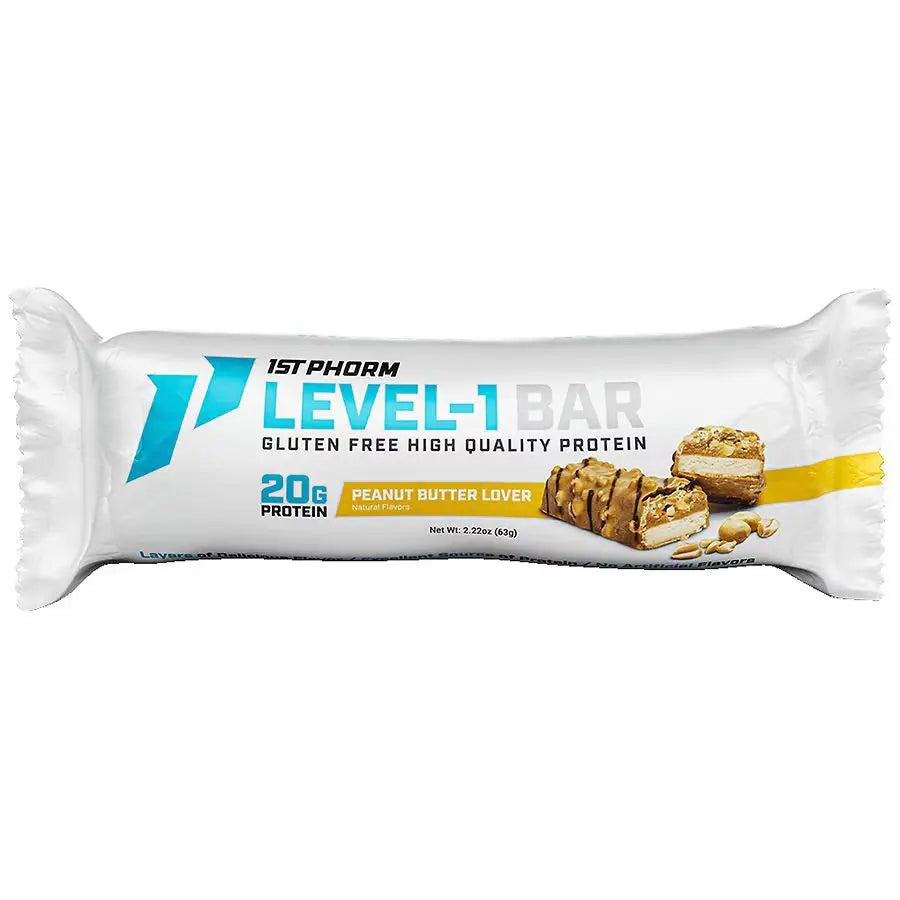
A protein bar earns its place in an athlete’s bag when it solves a real problem: you are leaving work for the gym, stuck between classes, traveling for competition, or walking out of a hard session with no meal ready. The best protein bars athletes rely on are not candy bars with a protein claim. They are convenient nutrition that supports the work you already put in under the bar, on the field, or on the road.
That does not mean every bar needs to taste like cardboard and carry zero sugar. It means the label has to match the moment. A high-protein, lower-calorie bar may fit a cut. A more carb-forward bar can make more sense around a long practice, endurance session, or two-a-day schedule. The right choice is the one that helps you hit your intake consistently without wrecking your appetite, digestion, or daily calories.
What Makes the Best Protein Bars for Athletes?
Start with protein, but do not stop there. For most active lifters and athletes, a bar with roughly 15 to 25 grams of protein is a strong baseline. That amount makes it useful as a bridge between meals or a quick recovery option when a shake and whole-food meal are not realistic.
The source matters, especially if the bar is filling a post-training gap. Milk protein, whey protein isolate, whey concentrate, casein, egg white, and quality plant blends can all work. Whey tends to digest quickly, while milk protein blends often provide a more sustained, satisfying option. Plant-based athletes should look for a blend rather than relying on a single lower-quality source, and check that the total protein is substantial enough to matter.
Then look at calories in context. A 180-calorie bar with 20 grams of protein can be a sharp choice for someone cutting body fat. A 300-calorie bar with protein plus meaningful carbohydrates may be smarter for an athlete who is struggling to eat enough to recover and perform. Calories are not the enemy. Random calories that do not serve your goal are.
Sugar, fiber, and sugar alcohols deserve attention too. Some bars stay low in sugar by leaning heavily on sugar alcohols or added fibers. That can be fine for many people, but a bar that causes stomach trouble before practice, during travel, or on a long shift is not performance nutrition. Test new bars on a normal training day, not for the first time before a race, tournament, or heavy lower-body session.
Match Your Protein Bar to the Job
The best bar for a physique competitor deep into a cut will not always be the best bar for a college athlete burning through practice, lifting, and conditioning. Shop by the job the bar needs to do.
For fat loss and tighter macros
Prioritize high protein relative to calories. Look for 15 to 20-plus grams of protein in a bar that fits your calorie target, often around 180 to 220 calories. A little fiber can help keep hunger under control between meals, but do not force down a bar you do not enjoy just because it has the cleanest-looking label. Consistency wins when the diet gets hard.
Keep an eye on serving size and fat content. Nut butters, chocolate coatings, and crunchy mix-ins can turn a snack bar into a calorie-dense meal replacement fast. That is not automatically bad, but it needs to fit the plan.
For muscle gain and hard-training phases
When food volume and recovery demands are high, a denser bar can be an asset. You need enough total calories, carbohydrates, protein, and fats to support the workload. A bar with 20 grams of protein and a meaningful carbohydrate count can work well after training or between meals when you are trying to build size without missing your targets.
Do not expect one bar to replace real meals all day. Use it to close the gap. The lifter who has chicken, rice, potatoes, eggs, fruit, shakes, and a dependable bar in rotation has more options than the lifter who skips meals and tries to fix it at 10 p.m.
For endurance, field sports, and long sessions
Protein matters, but timing matters more. A very high-fiber, high-fat bar immediately before running, cycling, or a demanding practice may sit heavy. Before activity, choose something you have tested and can digest comfortably. If the session is long, carbohydrates and fluids usually deserve priority during the work itself.
A protein bar becomes more useful after the session or when you need portable food during a packed day. Pair it with fruit, a carb source, and hydration when recovery demands are high. Protein handles one piece of the recovery puzzle. It is not a substitute for replacing fluids, electrolytes, and training fuel.
For travel, work, and no-excuse convenience
This is where bars shine. Keep one in your gym bag, desk drawer, car, or carry-on so a missed meal does not become a drive-thru decision. Choose a flavor you will actually eat after it has been bouncing around in a bag for a week, and consider temperature. Some coated bars melt in Florida heat. Others become tough in a cold car.
Convenience is not a weak option. It is a disciplined option when it keeps your nutrition from falling apart between obligations.
Read the Label Like You Read Your Training Plan
The front of the wrapper sells flavor. The nutrition panel tells you whether the bar belongs in your routine. Check protein first, then total calories, carbohydrates, fats, sugar, fiber, and the ingredient list. If you are sensitive to dairy, soy, gluten, sugar alcohols, or certain fibers, this is where you protect your gut before training makes the consequences obvious.
Do not get trapped by the phrase “low sugar.” A bar can be low in sugar and still be high in calories. It can also be high in protein but low in total food value if it leaves you hungry 20 minutes later. On the other hand, a bar with some sugar may be completely appropriate after a hard session when your overall diet and carbohydrate needs support it.
Also watch for inflated expectations around protein content. Twenty grams of protein is helpful. It does not give you a free pass to ignore total daily intake, meal quality, sleep, or recovery. Think of a protein bar as equipment: useful because it has a specific job, not because it is magic.
When a Bar Beats a Shake - and When It Does Not
Bars and shakes both have a place. A shake is often faster to digest, easier to customize, and more efficient when you need a high protein dose without a lot of added fat or calories. It is usually the better move right after training if you have access to water and want something light.
A bar wins when chewing helps control hunger, refrigeration is not available, or you need food that can live in your bag. It is also easier to hand someone a bar than to find a blender in an airport terminal. For many athletes, the strongest setup is not choosing one over the other. It is having both available for different situations.
Avoid These Protein-Bar Buying Mistakes
First, do not buy a full case before trying one. Texture, sweetness, and digestion are personal. The highest-rated flavor on paper is worthless if you cannot finish it.
Second, do not make every bar a dessert replacement. If you reach for multiple bars per day because meals are unplanned, build a better food routine. Bars are backup, not the foundation.
Third, do not ignore allergens and dietary restrictions because a product looks performance-focused. Read every label, especially when brands update formulas or you are trying a new flavor.
Finally, do not let a perfect-label mindset make nutrition harder than it needs to be. A bar with a few ingredients you would not use in a home kitchen can still be a smart tool if it helps you hit protein, stay on plan, and train hard without digestive issues.
Build a Better Bar Rotation
Keep two or three types on hand instead of forcing one product into every situation. A leaner, high-protein option covers cutting phases and quick snacks. A more substantial bar handles long workdays or higher-calorie training blocks. A dairy-free option can be valuable if your usual choice does not agree with you.
At Max Muscle Orlando, goal-based shopping makes that choice simpler: start with protein intake, muscle building, weight loss, or recovery, then compare the label to the job in front of you. The strongest bar is not the one with the loudest wrapper. It is the one you can keep in rotation, digest well, and use when your schedule tries to get between you and your goals.
Stock your bag before the week gets busy. When hunger hits after training, preparation is what keeps the next decision moving in the right direction.