

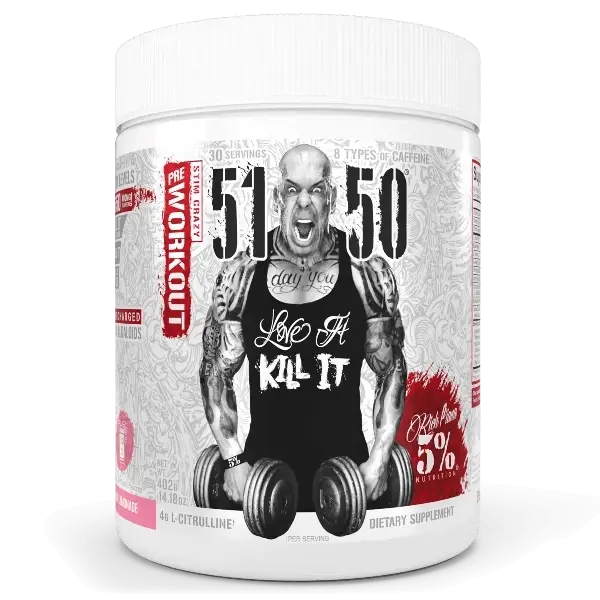
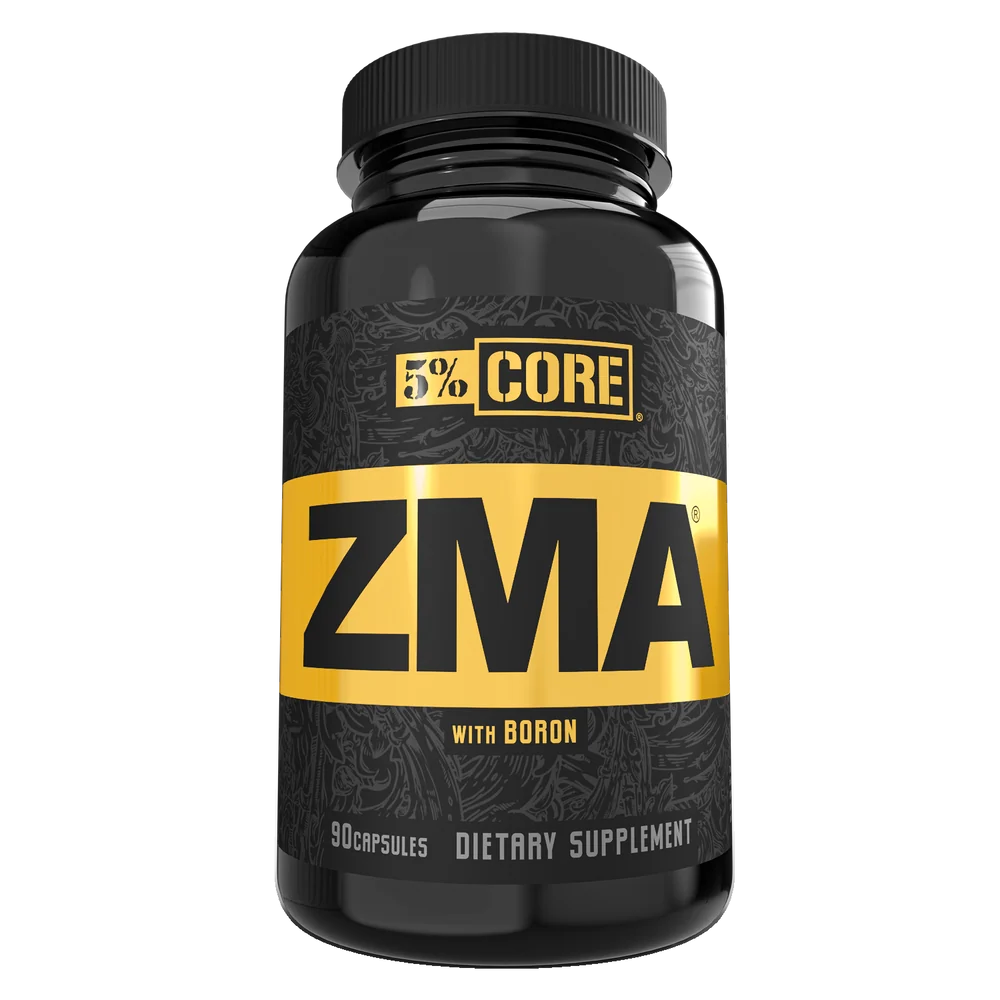
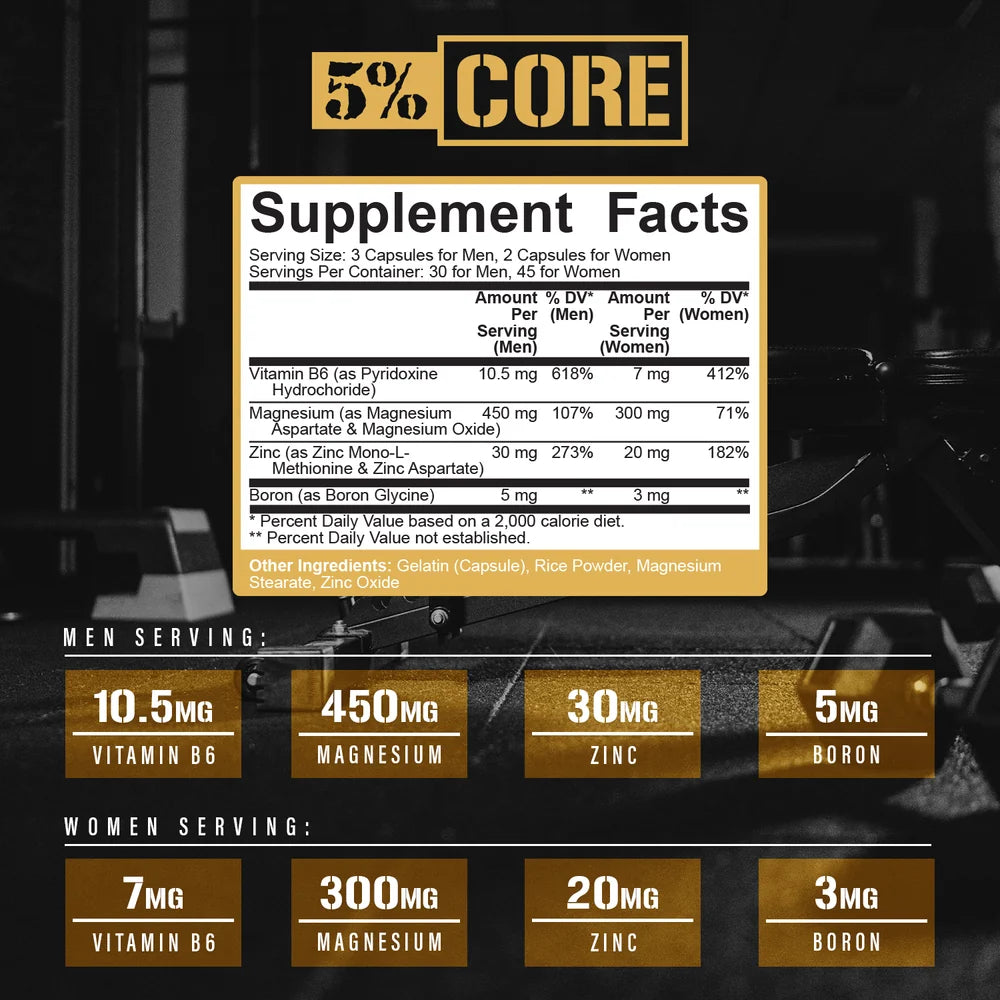
That extra rep when the set should be over. A harder sprint late in practice. More quality work across weeks of heavy training. Creatine supplements are built for that side of the grind: supporting the fast-energy system your muscles use during hard, repeated efforts.
Creatine is not a stimulant, a fat burner, or a shortcut around disciplined training. It is one of the most researched performance ingredients in sports nutrition, and it earns its place in a serious stack because it is simple, reliable, and useful for more than one type of lifter. If strength, muscle-building work, power output, or high-intensity conditioning is the goal, it belongs on the short list.
What Creatine Supplements Actually Do
Your body naturally stores creatine in muscle tissue, where it helps replenish adenosine triphosphate, or ATP. ATP is the immediate energy source used for explosive efforts: a heavy set of squats, a hard 10-second sprint, a jump, or another powerful rep when fatigue starts to creep in.
Supplementing raises the amount of creatine available in the muscle over time. That can support better performance during repeated high-intensity efforts. The practical result may be an extra rep, slightly more load, more consistent sprint output, or a little more quality volume in your training. Stack enough productive sessions together and you create a stronger environment for strength and lean-mass progress.
That distinction matters. Creatine does not build muscle while you sit on the couch. It helps you show up with more capacity to train hard, recover between efforts, and keep progressing when your program, food, and sleep are handled.
Who Gets the Most From Creatine?
Creatine fits strength trainees, bodybuilders, field and court athletes, combat-sport athletes, and anyone whose training includes hard intervals or repeated explosive efforts. It is especially relevant when your sessions revolve around progressive overload, whether that means chasing a bigger total, building a denser physique, or improving athletic output.
People who eat little or no meat may notice a stronger response because dietary creatine is found primarily in animal foods. That does not mean meat eaters cannot benefit. It just means starting muscle stores can vary from person to person.
Endurance athletes can use it too, but the trade-off deserves an honest look. Creatine commonly increases body water inside muscle cells, which can move the scale up. For a lifter focused on size and performance, that is often a non-issue or even a welcome sign. For an athlete trying to make a weight class or minimize body mass for a long-distance event, timing and individual response matter more.
Creatine Monohydrate Is the Standard
The supplement aisle offers creatine hydrochloride, buffered creatine, nitrate blends, gummies, capsules, and formulas paired with electrolytes or pre-workout ingredients. Those options can be convenient, and a flavored drink mix may be easier to take consistently. But when you want the formula with the deepest research and the clearest value, creatine monohydrate is the standard.
A plain monohydrate powder delivers what most athletes need without turning a straightforward purchase into a science project. Look for a clearly labeled product that provides a full daily serving and avoids hiding the creatine amount inside a proprietary blend.
Micronized monohydrate is simply processed into smaller particles to mix more easily. It can be a good pick if gritty texture bothers you. Capsules are useful for travel or anyone who refuses to mix powders, although they typically cost more per serving and require several capsules to reach an effective dose.
There is no prize for buying the most complicated formula. Buy the format you will take every day.
How Much Creatine Should You Take?
For most healthy adults, 3 to 5 grams daily of creatine monohydrate is the practical target. Consistency beats perfection. Take it on training days, rest days, travel days, and weekends. Your muscle creatine stores stay elevated through regular daily use, not by only taking it before a workout.
You can also choose a loading phase: roughly 20 grams per day split into four 5-gram servings for five to seven days, followed by 3 to 5 grams daily. Loading fills muscle stores faster, but it is optional. Starting at 3 to 5 grams daily gets you to the same place over several weeks with less chance of stomach discomfort.
If you are a larger athlete, train at a high volume, or simply want individualized guidance, speak with a qualified sports dietitian or healthcare professional. More is not automatically better. A heaping scoop that turns into 10 grams every day will not double your results.
Timing Matters Less Than the Habit
The best time to take creatine is the time you will remember. Mix it with your post-workout shake, add it to a pre-workout beverage, or take it with a meal. Some people prefer taking it after training because it pairs easily with protein and carbs. Others put it in their morning routine. Both approaches work when daily intake stays consistent.
Creatine does not need to hit like caffeine. You are not hunting for an immediate rush. You are building saturation in the muscle, then putting that stored energy support to work session after session.
If plain powder does not dissolve completely, use more water, shake it harder, or stir it into a thicker shake. It is fine if some powder settles at the bottom. Drink it, rinse the cup with a little more water, and finish the serving.
What to Expect in the First Few Weeks
Many users see the scale rise early, often from increased water held within muscle tissue. That is not the same thing as gaining body fat. It can make muscles look and feel fuller, but your nutrition still controls whether you are in a calorie deficit, at maintenance, or building mass.
Performance changes are usually more useful than obsessing over day-to-day scale fluctuations. Track your reps, loads, sprint times, recovery between hard efforts, and body measurements. If your training log is moving in the right direction, that tells a better story than one weigh-in.
Not everyone feels a dramatic difference. Training quality, total calories, protein intake, sleep, hydration, and programming still run the show. Creatine is a high-value tool, not a replacement for the work.
Build a Stack That Matches the Goal
Creatine stacks cleanly with protein powder, a pre-workout, electrolytes, and post-workout nutrition because each serves a different job. Protein helps you hit daily intake. Pre-workout can support energy and focus when appropriate. Electrolytes support hydration, particularly in hot training conditions. Creatine supports repeated high-output work.
Avoid doubling up by accident. Many all-in-one pre-workouts or muscle-building formulas already contain creatine. Check the label before adding another scoop. If your pre-workout only gives 2 grams, you can top it off with enough standalone creatine to reach your preferred daily amount. If it already provides 5 grams, there is no reason to add more.
For Central Florida athletes training through heat, sweat loss can be serious business. Creatine does not replace fluids, sodium, or a smart hydration plan. Bring water, use electrolytes when your training and sweat rate call for them, and do not confuse a performance supplement with hydration strategy.
Smart Buying Moves for Creatine Supplements
Start with your goal and your routine. A no-frills monohydrate powder makes sense for the lifter who wants maximum servings and minimum cost. A flavored option can make daily use easier. Capsules fit a gym bag or carry-on. A formula combined with other performance ingredients may reduce the number of tubs on your shelf, but only if every included dose makes sense for you.
Check the serving size, servings per container, and total creatine per serving. Price per tub can be misleading when one product lasts 30 days and another lasts 80. Also check whether a product uses a transparent label. You should know exactly what you are taking and how much.
If you have kidney disease, are pregnant or nursing, take prescription medications, or have a medical condition that affects hydration or kidney function, get clearance from your healthcare professional before using creatine. The hard-training mindset includes knowing when to get qualified advice.
Pick a creatine you can use without missing days, put it where your routine happens, and let your training log prove whether you are putting the extra work capacity to good use.