
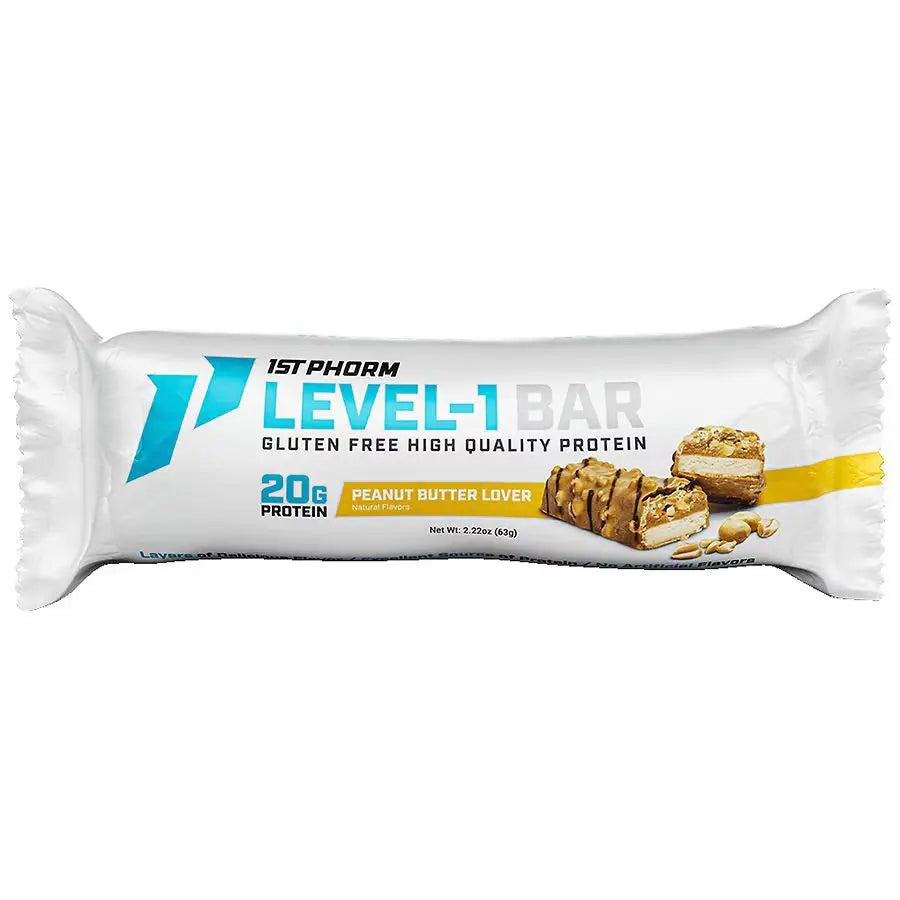

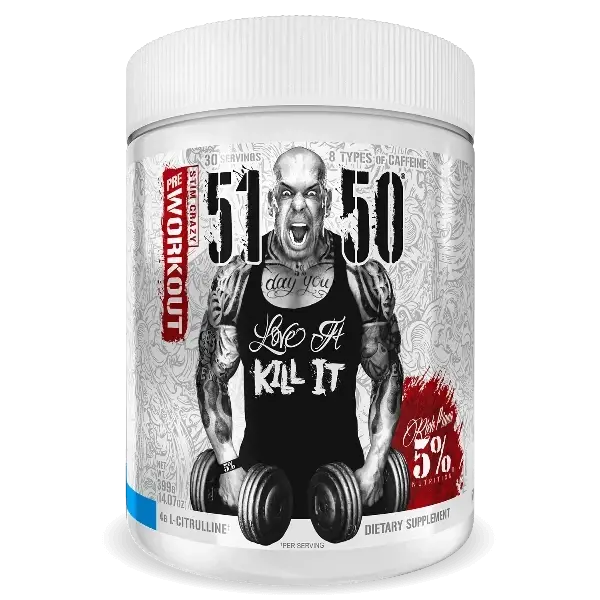
You finished the last rep, racked the weight, and walked out of the gym smoked. That is not the time to guess whether post workout carbohydrates matter. If you train hard, train often, compete, or push volume with a real purpose, carbs can be the difference between showing up recovered tomorrow and dragging through another session half-ready.
Carbohydrates are not a reward for training. They are fuel. Used correctly after lifting, conditioning, sport practice, or a long endurance session, they help replenish what your body spent and support the work you want to do next. The right move depends on your training volume, your body-composition goal, and how soon you need to perform again.
What Post Workout Carbohydrates Actually Do
Your body stores carbohydrate as glycogen, primarily in muscle and the liver. Hard training uses glycogen, especially when the session includes high volume, heavy sets, sprint work, circuits, intense cardio, or long-duration activity. When glycogen stores run low, output can suffer. You may feel flat, lose your pump early, struggle to hit planned volume, or simply lack the pop your session usually has.
Eating carbs after training gives your body material to start replenishing those stores. Pairing them with protein also supports recovery by providing energy alongside the amino acids your muscles need after training stress.
That does not mean every workout demands a giant carb load. A 45-minute upper-body pump session and a two-hour leg day followed by conditioning are not the same recovery problem. Neither are an athlete with morning and evening practices and a lifter training once per day with fat loss as the main goal.
The point is simple: match your post-training nutrition to the work you actually performed.
Who Benefits Most From Post Workout Carbohydrates?
Carbs after training are most valuable when recovery time is short or training demand is high. If you are running a hard hypertrophy program, playing a field sport, training for an endurance event, or lifting several days in a row, consistent carbohydrate intake can help you maintain performance across the week.
They are especially useful if you train twice in one day, have another event or practice within 24 hours, or routinely leave the gym depleted. In those situations, waiting until whenever you happen to eat later can make it harder to replace enough energy before the next session.
For muscle-building phases, carbohydrates also make practical sense because they help support the training volume that drives progress. A lifter trying to add size needs more than protein shakes and good intentions. They need enough total food to train with force, recover, and repeat.
If fat loss is your priority, do not treat carbs as forbidden. You still need enough fuel to preserve training quality. The difference is portion control and total daily intake. Put a meaningful share of your carbs near training, then keep the rest of the day aligned with your calorie target.
How Much Should You Eat After Training?
There is no magic serving that works for every lifter. Your bodyweight, goals, total calorie intake, workout duration, and next training session all matter.
As a practical starting point, many recreational lifters can use roughly 25 to 60 grams of carbohydrates after a standard strength workout. Larger athletes, hard gainers, and people training with high volume may need more. For demanding endurance work, intense team-sport conditioning, or two-a-days, intake can rise substantially because the recovery demand is higher.
Instead of obsessing over a single post-workout number, look at your full day. Are you getting stronger? Are you holding performance across sets? Is your bodyweight moving in the direction your goal requires? Are you recovered enough to execute tomorrow's training? Those answers tell you more than chasing a perfect gram count.
A simple setup for many strength trainees is a protein shake or meal containing 25 to 40 grams of protein plus a carb source that fits their calorie needs. Start there, monitor performance and recovery for a few weeks, then adjust.
Timing Matters, But the Window Is Bigger Than You Think
The old rule that you must eat within 30 minutes or lose your gains is overstated. Your total daily protein and carbohydrate intake carry far more weight than racing to a shaker cup the second your last set ends.
Still, timing has a place. If you trained fasted, went several hours without eating before the gym, or need to train again soon, getting protein and carbs in relatively quickly is smart. A meal or shake within a couple of hours is a reliable target for most people.
If you ate a solid meal before training and will have dinner soon afterward, you have more flexibility. Do not create stress where none is needed. Recovery nutrition should make your routine easier to execute, not turn every workout into a stopwatch drill.
Best Carbohydrate Choices After Training
The best post-workout carb is usually the one you can digest well, enjoy consistently, and fit into your plan. Whole-food meals are more than capable of getting the job done. Rice, potatoes, oats, cereal, fruit, bagels, tortillas, pasta, and other familiar staples can all work.
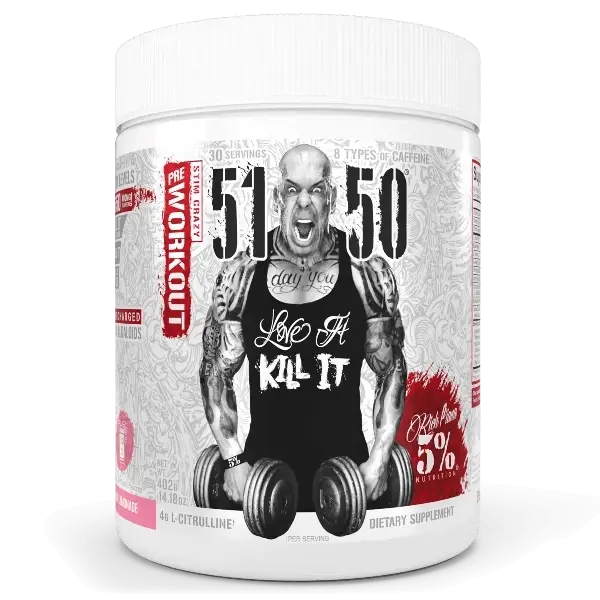
For convenience, fast-digesting options can be useful after training. Fruit, pretzels, rice cakes, cereal, sports drinks, and powdered carbohydrate formulas are easy choices when appetite is low or you need fuel without a heavy meal sitting in your stomach.
More processed choices are not automatically bad in this setting, but they should serve a purpose. A powdered carb drink can be a strong tool for an athlete who must recover between sessions. It may be unnecessary for someone who has plenty of time to eat a balanced meal at home. Gear up based on your actual schedule, not hype.
Fiber and dietary fat are not enemies after training, either. They simply slow digestion. If you need fast fuel, keep the meal lower in fat and fiber. If your next session is tomorrow and you prefer a complete meal, there is no issue with eating a normal plate of food.
Easy Post-Workout Meal Ideas
A whey shake with a banana and cereal is quick, portable, and easy to scale up or down. Chicken, rice, and vegetables gives you protein, carbs, and a full meal after a serious lifting session. Greek yogurt with fruit and granola works when you want something lighter. A bagel with eggs or lean meat can handle recovery when you need food you can eat on the move.
The best option is the one you will actually prepare after a hard session. Convenience is a performance tool when it keeps you from under-eating, skipping protein, or grabbing whatever is closest because you waited too long.
Pair Carbs With Protein and Fluids
Carbs do not replace protein. They work alongside it. Protein supplies amino acids for muscle repair and adaptation, while carbohydrates help replenish training fuel. If your goal is muscle growth, strength retention during a cut, or better recovery between demanding sessions, the combination is hard to beat.
Hydration belongs in the same conversation. Sweat losses can wreck how you feel after training and affect the next workout, particularly in Central Florida heat. Water is a baseline. If you sweat heavily, train for a long time, or finish with soaked clothes, electrolytes may also deserve attention.
Common Mistakes That Hold Recovery Back
The biggest mistake is thinking a post-workout shake fixes a low-calorie, low-protein day. Supplements and convenient carb products can help, but they cannot carry a nutrition plan that does not match your workload.
Another common mistake is loading up on carbs after easy sessions while under-fueling before or during the workouts that truly demand energy. Put your fuel where it improves output. That may mean more carbs before and after leg day, conditioning, long practices, or high-volume training blocks, with less emphasis on rest days.
Finally, do not confuse feeling stuffed with being recovered. A huge meal that leaves you sluggish is not automatically better. Choose portions you can digest, then build consistency around them.
Your next workout is earned before you walk back through the gym doors. Train hard, eat with intent, and make post-workout carbs part of the system that keeps your performance moving forward.