
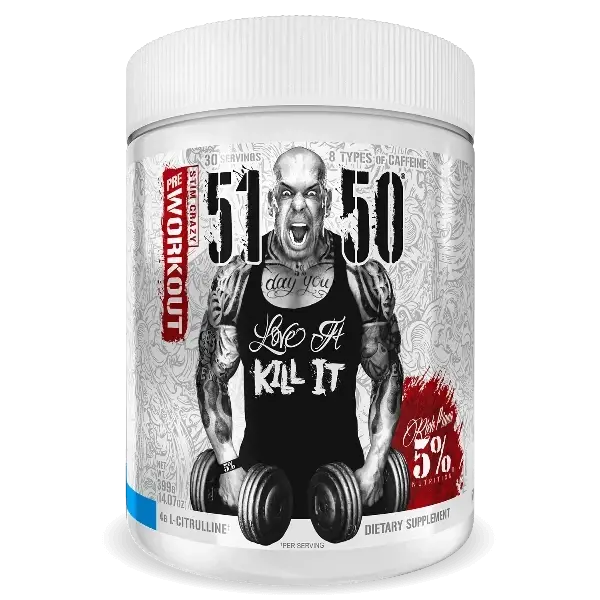
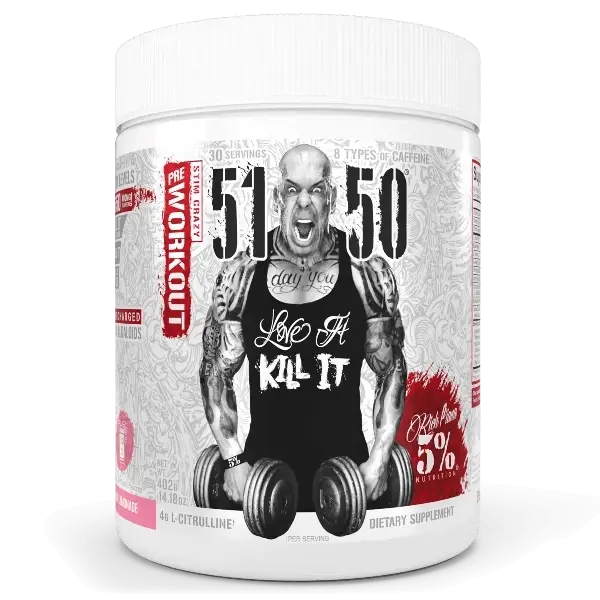
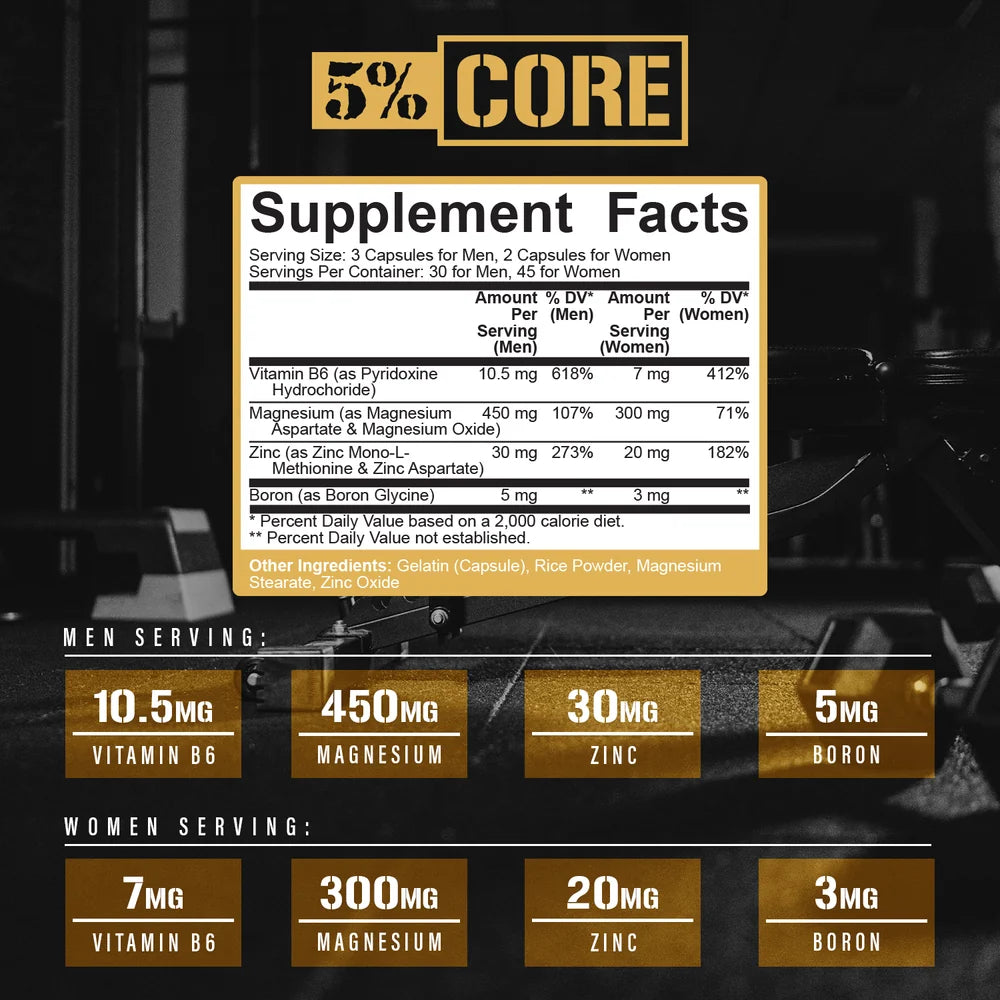
A cut gets real when your calories are lower, your training still has to hit, and 3 p.m. feels like a test of character. Fat burners can be useful tools during that stretch, but they are not a replacement for a calorie deficit, consistent protein intake, sleep, or hard sessions. Pick the right formula and it can support your energy, focus, appetite management, and daily output. Pick the wrong one and you are just over-caffeinated, under-recovered, and wondering why your progress stalled.
What Fat Burners Are Actually Built to Do
Most fat burners are designed around one or more jobs: increasing workout energy, supporting alertness and focus, helping you manage appetite, promoting thermogenesis, or supporting the use of fat as fuel during exercise. Those are support roles. The work still comes from the basics - eating in a sustainable deficit, training with intent, getting enough protein, moving outside the gym, and recovering well enough to repeat the process tomorrow.
That distinction matters because the best formula for a competitor in the final weeks of a physique prep may be a terrible fit for someone who trains after work and needs to sleep by 10:30. There is no single “strongest” fat burner that wins for everyone. The right choice depends on your stimulant tolerance, training time, current diet, and how aggressive your cut really is.
A good product can make the hard parts of dieting more manageable. It should not make you feel wrecked, anxious, dehydrated, or unable to eat a normal meal when it is time to refuel.
Start With Your Cut, Not the Label
Before comparing ingredients, get clear on what is making your fat-loss phase difficult. If you are dragging through early workouts, you may need a stimulant-based energy and focus formula. If late-night snacking is what keeps blowing up your deficit, appetite support may be more relevant. If caffeine hits you hard or you already use pre-workout, a non-stimulant option can make more sense.
The mistake is stacking products without tracking the overlap. A high-stim pre-workout, energy drink, coffee, and thermogenic can push your total caffeine intake higher than intended. More intensity on the label does not automatically mean more results in the mirror. It may simply mean a bigger crash, disrupted sleep, and less productive training later in the week.
Run an honest audit first. How much caffeine are you already using? What time do you train? Are you sleeping seven to nine hours? Is your nutrition actually controlled on weekends? Those answers will narrow your options faster than any flashy product claim.
Stimulant Fat Burners for Energy and Training Drive
Stimulant formulas commonly use caffeine, sometimes combined with ingredients intended to support alertness, mood, or thermogenic activity. They can be a strong fit for morning training, long workdays, or the point in a diet where low calories start affecting gym intensity.
Caffeine is not magic, but it is proven, familiar, and effective for many trainees when used responsibly. The key is dose and timing. Someone who rarely uses caffeine may get plenty of benefit from a moderate dose. A seasoned lifter who relies on several high-caffeine products every day may feel almost nothing except the withdrawal when they stop.
Use stimulant fat burners early enough that they do not interfere with sleep. Sleep loss is a bad trade during a cut: hunger often rises, recovery takes a hit, and training quality can drop. If your fat burner makes you wired at bedtime, it is not helping your body composition goal, no matter how intense your workout felt.
Non-Stimulant Options for Late Training or Sensitive Users
Non-stimulant fat burners are built for people who train in the evening, limit caffeine, or want support without the buzz. Depending on the formula, they may focus on ingredients associated with thermogenesis, carnitine support, appetite management, or daily metabolic support.
Their effects usually feel less dramatic because there is no rush of energy to confuse with effectiveness. That does not make them useless. It simply means you need realistic expectations and a consistent routine. They can be a practical choice for stacking around an existing pre-workout plan, especially when you do not want every supplement serving to feel like a triple espresso.
If you are sensitive to stimulants, pregnant or nursing, managing a health condition, or taking medication, get guidance from a qualified healthcare professional before using a fat-loss supplement. Serious training means taking responsibility for the inputs, not just chasing the hardest-hitting option.
Read the Formula Like a Lifters' Logbook
A label should tell you what you are taking and how much, not bury the details behind hype. Look for transparent ingredient amounts so you can assess your total intake across your entire supplement routine.
Caffeine is the first number to check if the product is stimulant-based. Then look at the serving size and directions. Some formulas are intended to start at half a serving to assess tolerance. That is not weak. It is smart. Start low, especially if you have not used a thermogenic recently, and give your body time to show you how it responds.
You should also know whether your formula includes ingredients that may create a noticeable sensation. Some people feel tingling, warmth, or increased alertness. Others may experience stomach discomfort if they take certain products without food. Read the directions, do not exceed the recommended serving, and do not assume that an uncomfortable feeling means the product is “working.”
Avoid treating a proprietary blend as a shortcut around label literacy. If exact amounts are not disclosed, you cannot accurately compare doses or calculate overlap with other products. For serious athletes and committed gym-goers, clarity is always a better standard than mystery.
How to Use Fat Burners Without Burning Out
The cleanest approach is simple: use one new product at a time, follow the label, and track what changes. Take notes for a week on energy, hunger, training performance, sleep, digestion, and mood. If you are changing your calories, cardio, training program, and supplement stack all at once, you will have no idea what is helping or hurting.
Keep hydration high. Dieting, sweat-heavy training, and stimulant use can all make it easier to fall behind on fluids. Water, electrolytes when needed, and regular meals built around protein and fiber will do more for your daily consistency than another scoop of something you do not need.
Do not use a fat burner to excuse an extreme deficit. If calories are too low, performance will eventually tell the truth. Your lifts stall, your steps drop, your recovery suffers, and food focus gets louder. A sustainable deficit may feel less dramatic, but it gives you more productive weeks, which is where physique change happens.
It can also be smart to cycle down your stimulant intake periodically, particularly if you notice your usual dose no longer feels effective. A reset does not require suffering. It can mean reducing coffee, swapping to a non-stimulant formula, or taking a break from high-caffeine products while you focus on sleep and food quality.
The Best Stack Is the One You Can Repeat
For many people, a fat-loss stack does not need to be complicated. A reliable protein option helps you hit your target when meals get rushed. Creatine can support training performance while calories are lower. A well-matched fat burner can support energy or appetite control. Add hydration support around hard sessions, and you have covered the basics without turning your supplement cabinet into chaos.
The details depend on the person. A strength athlete trying to preserve performance may prioritize protein, creatine, and a moderate stimulant. Someone doing high-volume cardio after work may choose non-stimulant support to protect sleep. A competitor close to show day has different needs and risks than a first-time gym-goer dropping 15 pounds. Shop by goal, but make the final call based on your routine.
At Max Muscle Orlando, the move is not to chase the loudest label. Build a setup that supports your training, fits your schedule, and keeps you consistent when the diet gets uncomfortable. The physique you want is built through disciplined reps, disciplined meals, and smart tools used for the right reason.