
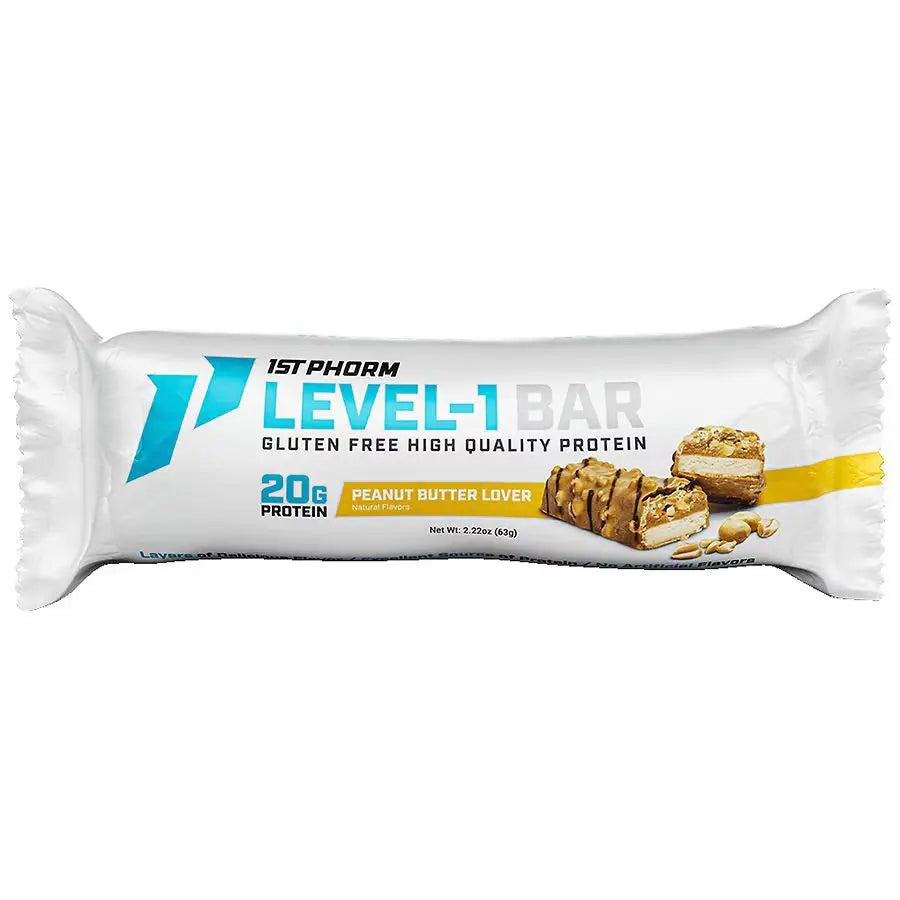
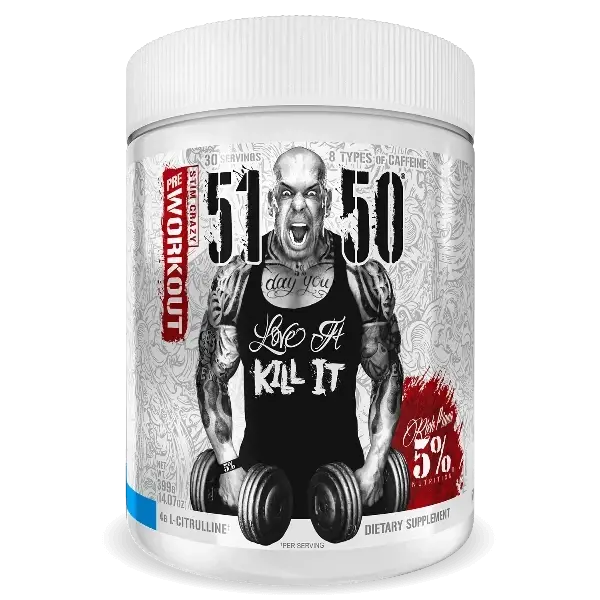
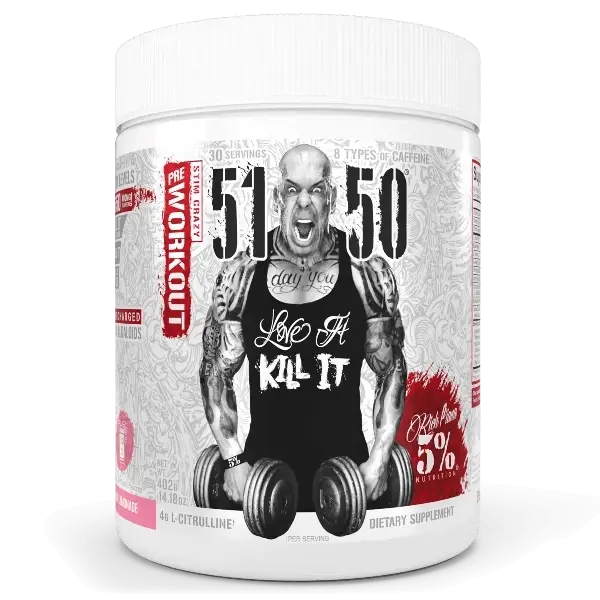
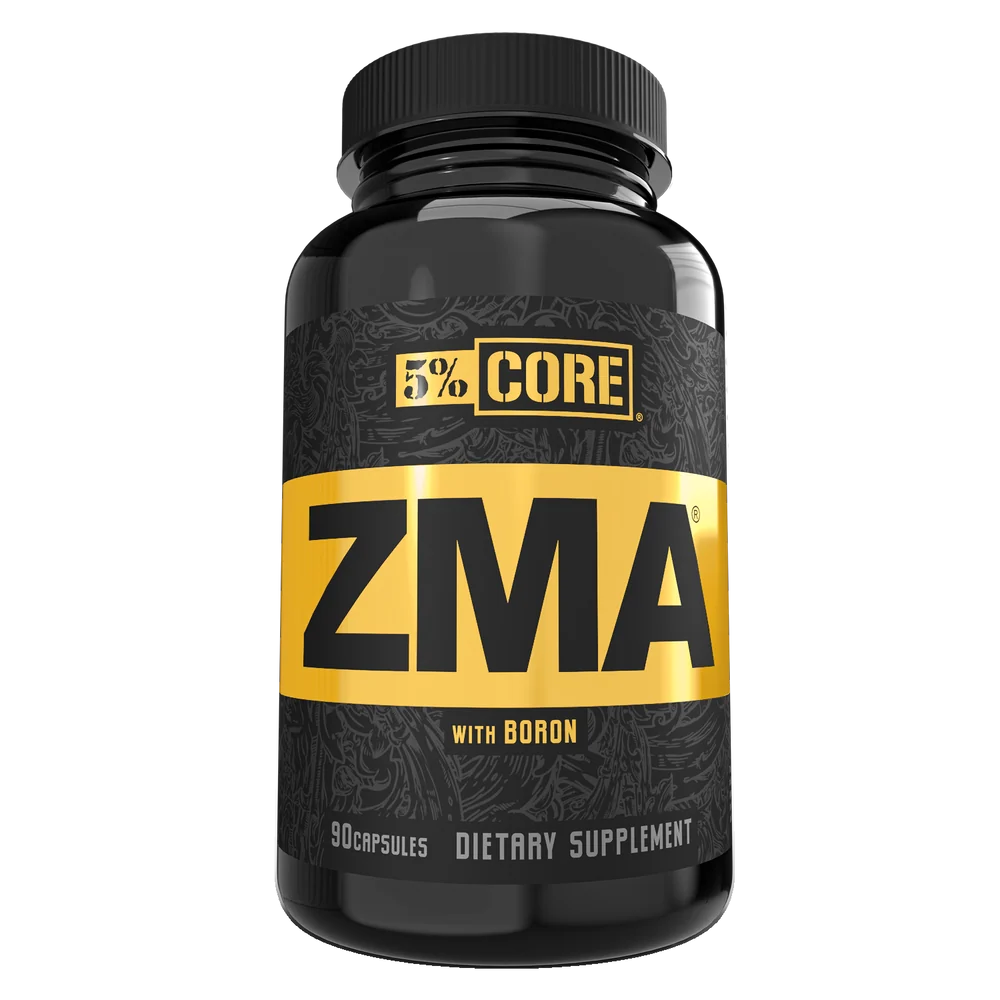
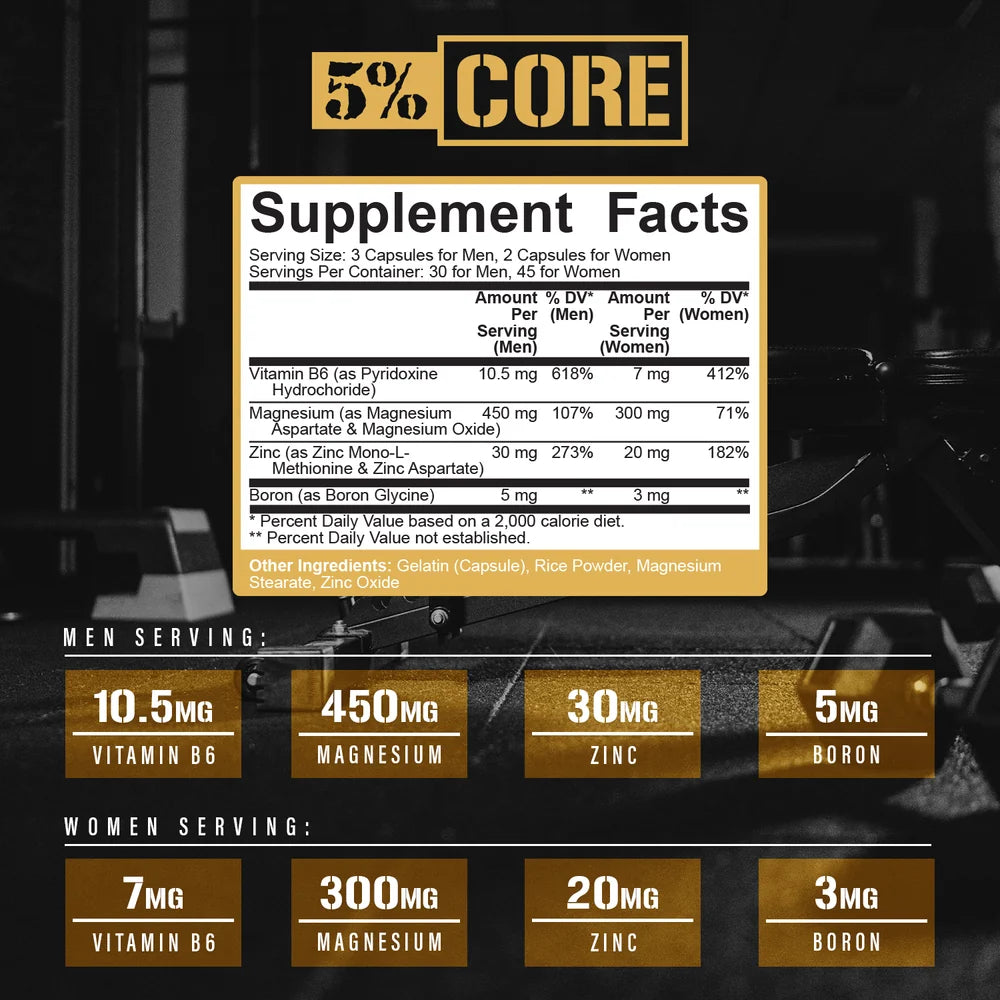
That 7 p.m. training session should build your body, not wreck your sleep. A quality preworkout without caffeine gives you a way to attack late workouts, manage stimulant tolerance, and still show up with purpose when it is time to train. No jitters. No racing heart. No staring at the ceiling at 2 a.m. wondering why you took a high-stim scoop after work.
Caffeine has earned its place in performance nutrition, but it is not mandatory for a productive session. The right stimulant-free formula can support blood flow, muscular endurance, hydration, and the locked-in feeling that comes from a real pre-training routine. The goal is simple: better training output without borrowing from tomorrow's recovery.
What Preworkout Without Caffeine Actually Does
A non-stimulant pre-workout is built for performance support without caffeine or other aggressive energy stimulants. Instead of pushing your nervous system into overdrive, it typically focuses on pump ingredients, hydration support, and compounds that help you sustain hard sets.
Do not confuse stimulant-free with weak. A properly dosed formula can make a demanding leg day feel more controlled, help you maintain output through high-volume work, and leave you ready to eat, recover, and sleep. It will not create the same instant kick as 300 milligrams of caffeine, and that is the point. You are choosing repeatable performance over a temporary spike.
The Ingredients That Earn Their Spot
The front of the tub may promise skin-splitting pumps and tunnel vision. Turn it around. The Supplement Facts panel tells you whether the formula is built for work or just flavored powder.
L-Citrulline for Pumps and Blood Flow
L-citrulline is one of the most respected ingredients in stimulant-free pre-workout formulas. It supports nitric oxide production, which can promote blood flow during training. Many serious lifters look for around 6 to 8 grams of pure L-citrulline per serving. Citrulline malate can also be effective, but check the actual amount of citrulline provided rather than assuming the full listed blend is citrulline.
A stronger pump is not just about looking fuller between sets. More blood flow can support nutrient delivery and may help you stay productive during higher-volume training. Still, do not mistake a pump for proof of a great workout. Progressive overload, solid form, and consistent nutrition remain the workhorses.
Beta-Alanine for High-Rep Work
Beta-alanine helps support muscular endurance, especially when your training involves repeated hard efforts. Think long sets, short rest periods, conditioning blocks, loaded carries, and hypertrophy work that turns your final reps into a fight.
The familiar tingling sensation is normal for many people and does not mean the product is stronger. More importantly, beta-alanine works through consistent daily intake, not because you took it exactly 20 minutes before training. Around 3.2 grams daily is a common target. If the tingles bother you, split your dose or choose a formula without it.
Betaine and Taurine for Training Support
Betaine anhydrous is often included at roughly 2.5 grams in performance formulas. It is a solid addition for lifters focused on strength, power, and training volume. Taurine, commonly used around 1 to 2 grams, can support hydration and muscular function, particularly when training gets sweaty and demanding.
Neither ingredient should be marketed as magic. They are supporting players in a formula that should complement serious programming, enough water, and meals that match your goal.
Electrolytes and Nitrates for the Long Session
If you train in Florida heat, run conditioning, or lose a lot of sweat under the bar, hydration deserves more attention than another exotic stimulant. Sodium, potassium, and magnesium can help make a pre-workout more useful when you are training hard for an hour or more.
Nitrate-based ingredients may also support blood flow and endurance. They can be effective, but label transparency matters. A formula should tell you what you are getting and how much, rather than hiding the key ingredients inside a proprietary blend.
Who Should Choose a Caffeine-Free Pre-Workout?
A preworkout without caffeine makes sense for more athletes than the supplement industry sometimes admits. It is a strong fit if you train in the evening, feel anxious or shaky after stimulants, deal with caffeine-related stomach issues, or want to reduce your daily stimulant intake.
It also works for lifters who like to separate their pump and performance support from their energy source. Maybe you use coffee on heavy morning days but want a stim-free formula for afternoon volume work. Maybe you are coming off a long stretch of high-caffeine products and want to reset your tolerance. Your setup can change with your schedule, training block, and recovery needs.
There is a trade-off. If your biggest struggle is getting mentally switched on for a 5 a.m. workout, a non-stim formula may not give you the same perceived urgency as caffeine. That does not make it inferior. It means you need to be honest about what is holding your sessions back: low energy, poor sleep, weak hydration, inconsistent meals, or a program that has stopped challenging you.
How to Choose the Right Formula
Shop with a purpose. The best pick depends on whether you want bigger pumps, support for high-volume lifting, hydration for conditioning, or a simple daily pre-training ritual without stimulants.
Look for these four things before you commit to a tub:
- Clearly disclosed ingredient amounts, not vague proprietary blends.
- Meaningful doses of proven pump and performance ingredients.
- A formula that matches your training time and tolerance for ingredients like beta-alanine.
- Flavor and mixability you will actually use consistently.
How to Use It Without Wasting the Scoop
Most non-stim pre-workouts are taken about 20 to 40 minutes before training, mixed with enough water to suit the label directions. Start with one serving, especially if the formula contains beta-alanine, nitrates, or other ingredients you have not used before. More powder is not automatically more progress.
Use it on the days when training deserves extra intent. Pair it with a pre-workout meal that fits your schedule, and do not let a supplement replace basic fuel. A lifter chasing muscle gain may benefit from carbs before a hard session. Someone training for fat loss may prefer a lighter meal, but still needs hydration and enough total protein across the day.
For Central Florida lifters, a stimulant-free pre-workout can be especially useful when heat and humidity make hydration the real battle. Add water, consider electrolytes when sweat loss is heavy, and stop expecting caffeine to cover for poor recovery.
Build a Pre-Workout Routine You Can Repeat
The best supplement routine is not the one that makes you feel invincible once. It is the one you can run week after week while your lifts move up, your conditioning improves, and your sleep stays intact.
At Max Muscle Orlando, the strongest approach is goal-based: choose your pump and performance support, match it to when you train, and keep the rest of your stack simple. Whether you are chasing a bigger total, a sharper physique, or more productive evening sessions, train hard enough to earn the results. Let your pre-workout support that work without becoming the reason recovery falls apart.
Your next great session does not need a stimulant rush. Mix your scoop, fill your water bottle, and put the effort where it counts: on the floor, under the bar, and through the last rep.