
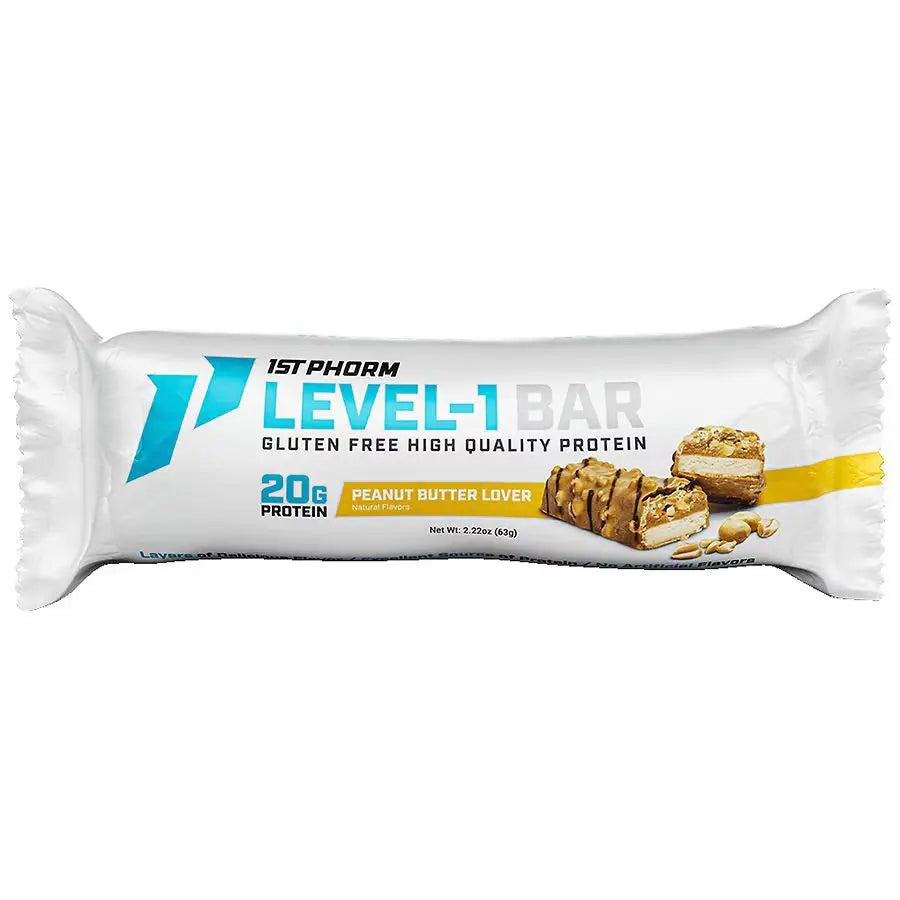
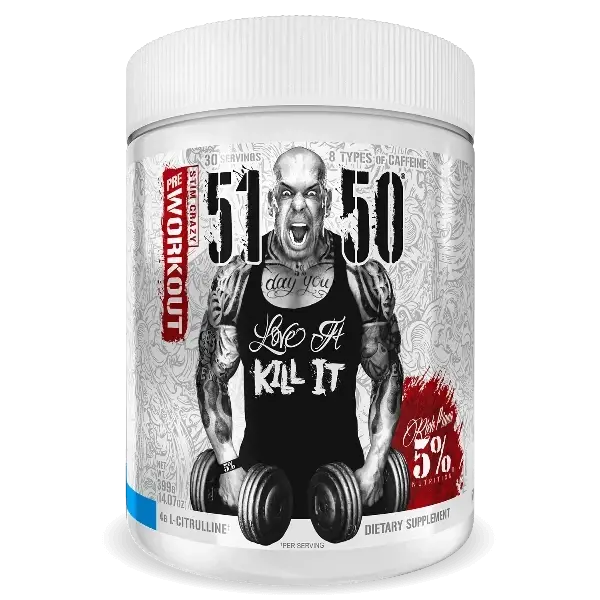
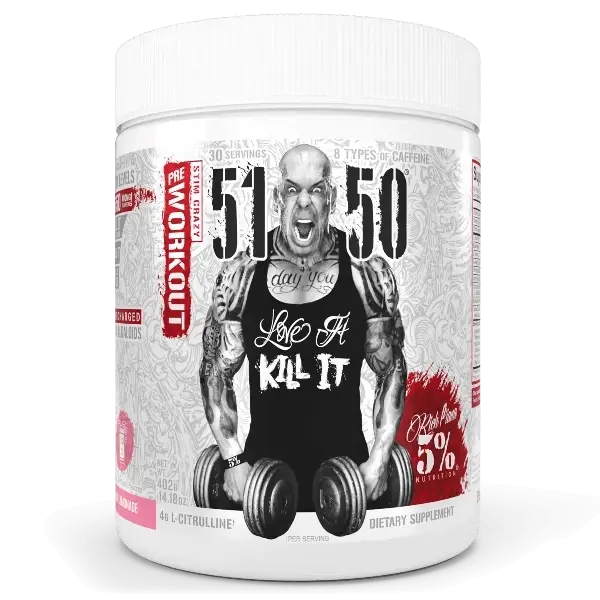
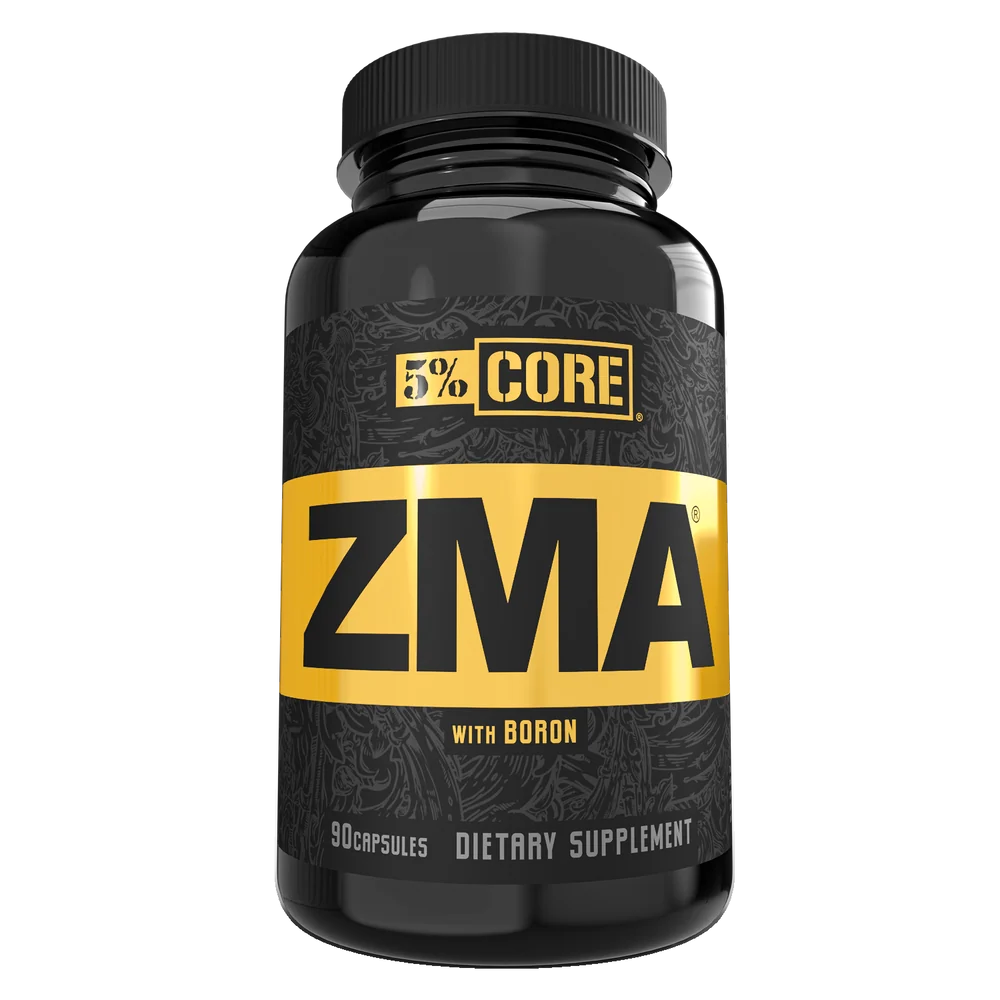
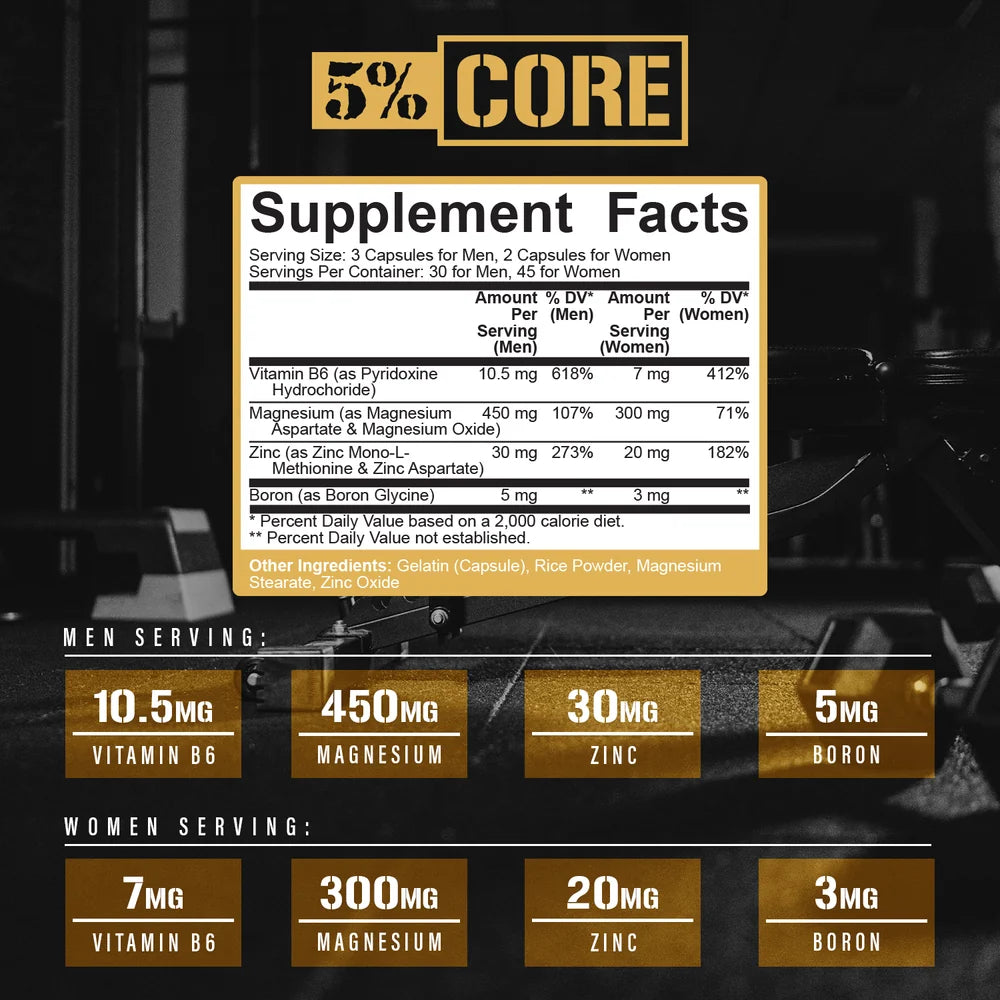
A great pump is not just a mirror moment between sets. It is the tight, full feeling that shows up when blood flow, hydration, training volume, and execution all line up. The best pump supplements bodybuilding athletes use can help push that feeling further, but only when the formula has real doses and your training supports the goal.
Forget flashy labels and proprietary blends that hide the numbers. If you want fuller sessions, better muscle connection, and a serious pre-workout look, shop the ingredients that earn their place in the tub.
What Creates a Muscle Pump?
During resistance training, working muscles demand more blood. Your body responds by increasing blood flow and delivering oxygen, nutrients, and fluid to the area. That temporary swelling is the pump. Nitric oxide support, cell hydration, carbohydrates, sodium, and smart exercise selection can all influence how pronounced it feels.
Supplements do not replace hard sets, controlled reps, or enough water. They are performance gear, not a shortcut. A heavy low-rep strength session may produce a different pump than a high-volume arm workout, and a low-carb cutting phase may feel flatter than a higher-carb growth phase. That does not mean your product failed. Context matters.
Best Pump Supplements for Bodybuilding: Ingredients That Matter
The strongest pump formulas usually combine nitric oxide support with hydration ingredients. Some include stimulants for training energy, while others stay completely stim-free so you can stack them with your preferred pre-workout or train late without wrecking sleep.
L-Citrulline and Citrulline Malate
Citrulline is the foundation of many quality pump products. It converts to arginine in the body, supporting nitric oxide production and blood flow. Unlike taking arginine alone, citrulline generally does a better job raising arginine levels in circulation.
Look for a clearly listed dose. Around 6 to 8 grams of pure L-citrulline is a common target for serious pre-workout support. Citrulline malate can also work well, but check the ratio and total amount. A label that says 8 grams of citrulline malate does not necessarily provide 8 grams of actual citrulline.
Nitrates
Nitrate compounds support nitric oxide through a separate pathway from citrulline, which makes them a smart addition to a complete pump stack. You may see nitrate-based ingredients sourced from beetroot or branded compounds with standardized nitrate content.
Nitrates can be effective, but they are not always needed for every lifter. They may be especially useful when you want a high-stim, high-output training day and want more than a basic citrulline formula can offer. Start with the label directions. More is not automatically better.
Betaine and Glycerol
A pump is partly about fluid movement, and this is where cell-hydration ingredients earn their spot. Betaine anhydrous is commonly used around 2.5 grams and can support hydration and training performance. Glycerol pulls water into the bloodstream and muscle tissue, helping create that full, loaded appearance when you are properly hydrated.
Glycerol has one non-negotiable: drink enough water. Taking it while dehydrated is a weak move. Bring a large shaker, keep fluids up before training, and consider electrolytes if you sweat heavily in the Florida heat or during long conditioning sessions.
Electrolytes and Sodium
Many lifters chase exotic ingredients while underdosing the basics. Sodium helps maintain fluid balance, supports muscle contraction, and can make a noticeable difference in training fullness, particularly if your diet is clean, low-sodium, or you sweat hard.
You do not need to turn every workout into a salt-loading contest. But a pump product or intra-workout drink with sensible electrolyte support can outperform a flashy formula that ignores hydration completely. Potassium and magnesium have value too, though sodium is often the most immediately relevant electrolyte around a hard lifting session.
Agmatine, Taurine, and Nitrosigine
These are useful supporting players, not always the main event. Agmatine is included in many pump blends for nitric oxide support. Taurine supports cellular hydration and may help endurance when training volume climbs. Nitrosigine, a bonded arginine silicate complex, is another widely used nitric oxide ingredient that can work well beside citrulline.
A formula does not need every ingredient on the market. It needs enough of the right ingredients to match the goal. A transparent label with citrulline, glycerol, electrolytes, and one or two well-dosed support compounds can be more effective than a kitchen-sink blend with twenty underdosed names.
Stim-Free Pump Formula or Full Pre-Workout?
This decision comes down to your stimulant tolerance, training time, and current stack. A stim-free pump product is the move if you already use coffee, a high-stim pre-workout, or a separate energy and focus formula. It gives you room to build your session without accidentally pushing caffeine too high.
A full pre-workout is more convenient when you want energy, focus, and pumps in one scoop. The trade-off is that many all-in-one formulas have to balance serving size, flavor, caffeine, and cost. That can mean smaller pump doses than a dedicated product provides.
For late-night training, a non-stim pump formula often wins. You can chase a skin-splitting session without lying awake at 2 a.m. replaying your last set of leg extensions. For an early, brutal training day, a comprehensive pre-workout may be the more practical choice.
How to Choose Without Wasting Your Money
Start by reading the Supplement Facts panel, not the front label. Avoid proprietary blends when possible because they prevent you from knowing whether the effective ingredients are meaningfully dosed. If a brand will not show amounts, it is hard to judge value.
Then decide what is missing from your current routine. If you already take creatine daily and a caffeinated pre-workout, you may only need a stim-free pump and hydration product. If you train fasted, do long sessions, or work in intense heat, prioritize electrolytes and glycerol. If your pre-workout is basic, a complete formula with citrulline and focus support may make more sense.
Flavor matters more than people admit. If the product is difficult to drink at a full serving with enough water, you will not use it consistently. Choose a flavor profile you can finish during hard training, especially if you plan to combine it with intra-workout aminos or carbohydrates.
Get More From Your Pump Supplement
The supplement is only one part of the setup. Eat enough carbs for your goal, arrive hydrated, and do not fear reasonable sodium intake unless a clinician has told you otherwise. Train with purpose: controlled eccentrics, full ranges of motion, short-to-moderate rest periods, and enough quality volume will build more pump than random exercise hopping.
For a simple starting setup, take your pump product 30 to 45 minutes before lifting, follow the label for water intake, and keep sipping fluids through the session. If you are stacking products, check every label for overlapping caffeine, niacin, or other active ingredients. More scoops are not a badge of honor.
If you have cardiovascular concerns, take blood pressure medication, use nitrate medications, or have a medical condition that affects fluid balance, speak with a qualified healthcare professional before using nitric oxide or hydration-focused products. Serious training includes making smart calls outside the weight room too.
A big pump will not build muscle by itself. Progressive overload, food, recovery, and consistency still carry the load. But when your formula is properly dosed and your session is earned, that sleeve-stretching finish is a solid reminder: the work is showing up. Gear up, train hard, and make every set count.